Gut Health and Sleep: What’s the Connection?

Gut Health and Sleep: What’s the Connection?

Can’t Sleep? The Real Culprit Might Be Hiding in Your Gut – read on to learn more about gut health and sleep.

Tossing and turning at night? Waking up at 3 a.m. for no good reason? You’re far from alone. But what if I told you the answer to your sleep struggles isn’t just in your head — it’s in your gut?

It might sound surprising, but science is uncovering powerful links between your gut health and the quality of your sleep. In fact, your gut and brain are in constant conversation — and when your gut’s not happy, your sleep suffers.

Let’s explore how your gut microbiome could be sabotaging your rest, who’s most at risk, and what you can do to turn things around.


🧠 How Your Gut Shapes Your Sleep

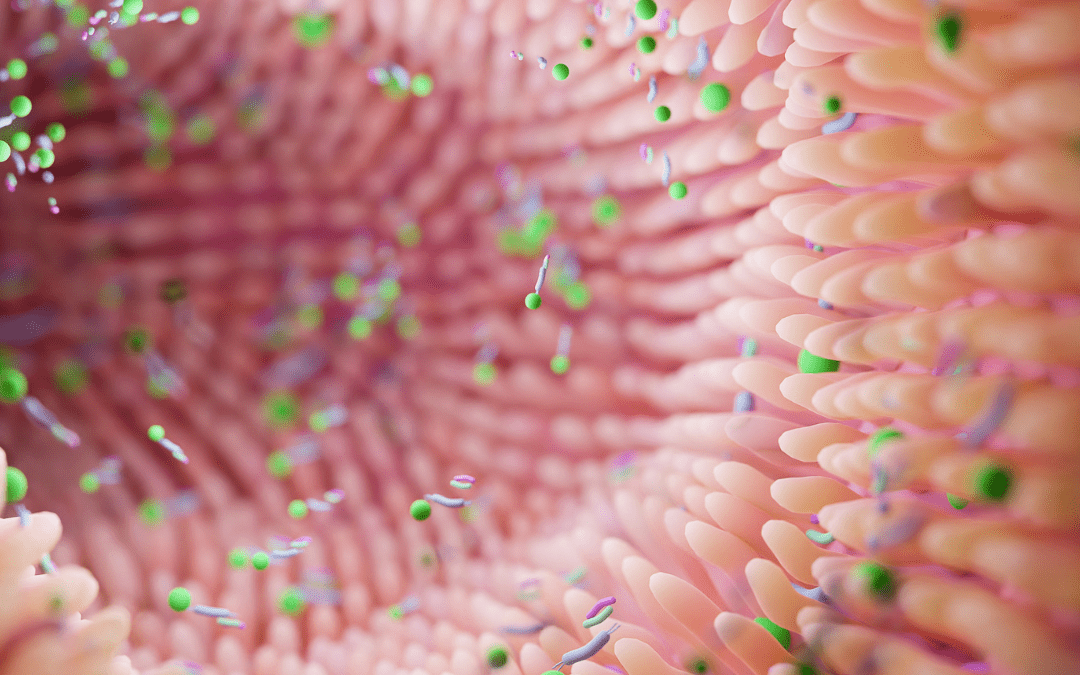
Your gut microbiome — the trillions of bacteria living in your digestive tract — doesn’t just influence digestion. It also plays a key role in regulating your circadian rhythm, sleep hormones, and your overall ability to fall and stay asleep.

Here’s how:

  • Alters your circadian rhythm (your internal body clock)

  • Influences melatonin and serotonin, which are crucial for sleep

  • Impacts your sleep-wake cycle and how much time you actually spend in restful sleep

In short: a rich and diverse gut microbiome is linked with better, deeper, more restorative sleep.


🌀 Serotonin: The Gut-Sleep Connection

Serotonin is often called the “feel-good hormone,” but did you know it also regulates your sleep cycle? Around 90% of your serotonin is made in the gut, and your gut bacteria directly influence how much of it your body produces.

When gut health is out of balance — for example, after a course of antibiotics — serotonin levels often drop, and sleep quality goes with it. In mouse studies, a disrupted gut microbiome meant lower serotonin and significantly worse sleep.


😴 Poor Sleep? Your Gut Feels It Too

This relationship goes both ways. Just as gut health affects sleep, lack of sleep damages your gut — quickly.

Even a few nights of disrupted sleep can:

  • Reduce microbial diversity

  • Encourage harmful bacteria to thrive

  • Trigger bloating and digestive issues

Your gut bacteria are highly responsive to your sleep patterns. In fact, night waking and sleep deprivation seem to encourage the growth of less desirable bacteria — the kind that cause gas, inflammation, and more.

If you’re worried about your gut health, I’d highly recommend downloading my online course The Ultimate Gut Health Programme to help support your digestive system, whilst avoiding triggering symptoms.

It’d be impossible to include all you need to know in one blog, but the programme will have all you need to know to ensure you’re soothing your digestive system, whilst eating delicious and filling foods.

⚠️ What Else Is Affected?

Sleep and gut imbalances don’t exist in isolation. Together, they can spark wider health issues:

  • Tissue inflammation

  • Leaky gut syndrome

  • Insulin resistance

  • Digestive discomfort, including reflux, heartburn, and indigestion

And the bad news? These changes can begin after just a couple of disturbed nights. If you’re a shift worker, new parent, or chronic insomniac, your gut might be silently struggling — and affecting far more than your energy levels.

🥦 What to Eat to Help Sleep and Heal Your Gut

If you’re struggling with sleep and suspect your gut might be playing a role, start by nourishing your microbiome.

Probiotic-rich fermented foods:

  • Live, natural yogurt (no sugar, no flavourings)

  • Kefir (dairy or non-dairy)

  • Sauerkraut

  • Miso

  • Tempeh

Prebiotic-rich foods:

  • Leeks

  • Onions

  • Garlic

  • Chicory root

If you’re regularly sleep-deprived or your symptoms are severe, a good-quality probiotic and prebiotic supplement can provide additional support to help rebalance your gut bacteria.

🗣️ Want Personalised Support?

Gut health and sleep are deeply connected — but everyone’s story is unique. If you’d like to explore your symptoms, and how I might be able to help, I offer a FREE 30-minute consultation to chat through your health concerns and next steps.  Link to book below.

If you would like to speak to me about any aspect of your gut health, then please use this link to book into my diary for a FREE 30 minute chat so I can find out more about what is going on for you.  Alternatively please use the ‘Learn More’ link below.

Free Mini Programme

Would You Like to Learn How to Fix Your Digestive SymptomsBeat the Bloat and Feel Amazing?

1:1 Coaching Plans

Get Ready to Permanently Beat the BloatSoothe Your Digestion and Feel Amazing 

Ultimate Gut Health Programme

Delicious, Filling & Inspiring ways to Become Symptom-Free, Soothe Your Gut and Enjoy Your Food Again!
Parasite Cleanse: Could You Benefit?

Parasite Cleanse: Could You Benefit?

When I tell clients that their test results show signs of a parasitic infection, their first reaction is often shock or embarrassment. But the truth is, it’s far more common—and less alarming—than you might think. In many cases, a targeted parasite cleanse can support your gut health and bring relief from lingering digestive issues. 

Let’s take a closer look at what’s really going on, and how to tell if a parasite cleanse might be right for you.


What Is a Parasite?

A parasite is an organism that lives on or inside a host and survives by drawing nutrients from it. While that might sound unsettling, not all parasites are harmful. Some live harmlessly on our skin, feeding on dead skin cells and playing a role in our skin microbiome.

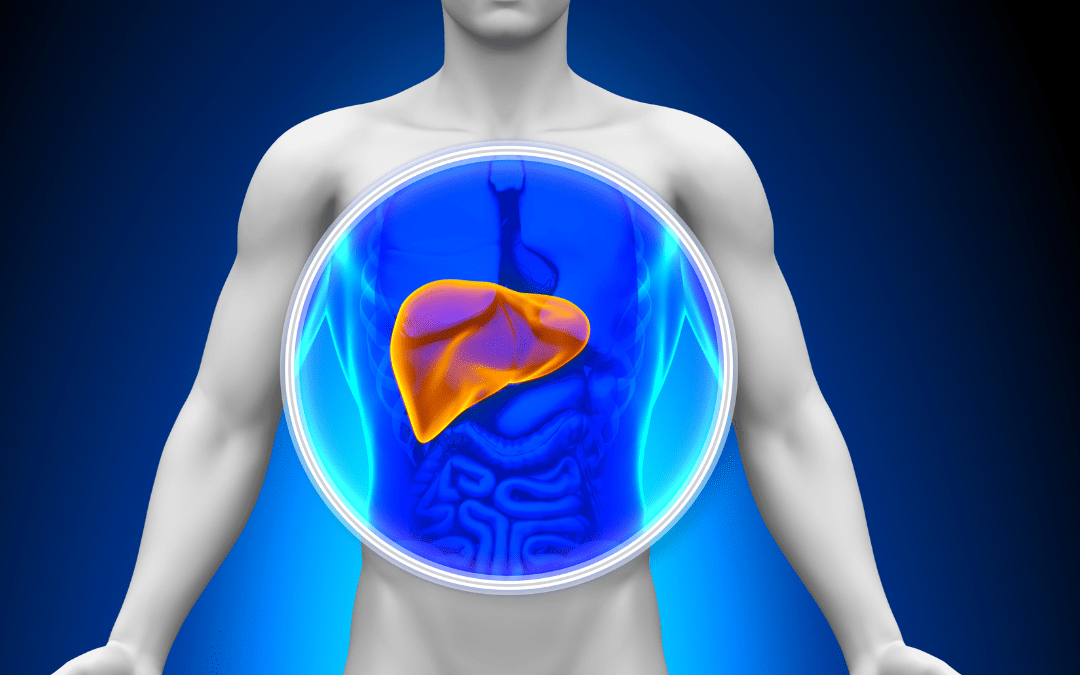
However, certain internal parasites are less helpful. These organisms may interfere with nutrient absorption or disrupt your gut microbiome, leading to unwanted symptoms.

Some of the more well-known examples include:

  • Giardia lamblia

  • Entamoeba histolytica

  • Threadworms

  • Tapeworms

  • Hookworms

In some cases, such as malaria, parasites can cause severe illness. But more often, they are part of a larger picture involving gut imbalance—and that’s where a carefully designed parasite cleanse can help.


Could a Parasite Cleanse Help You?

Parasitic infections can affect anyone, regardless of their lifestyle or general health. You might pick one up from contaminated food or water, especially after travel. The presence of parasites doesn’t necessarily mean they’re causing your symptoms—but it does signal that your gut environment might need attention.


If you’re worried about your gut health, I’d highly recommend downloading my online course The Ultimate Gut Health Programme to help support your digestive system, whilst avoiding triggering symptoms.

It’d be impossible to include all you need to know in one blog, but the programme will have all you need to know to ensure you’re soothing your digestive system, whilst eating delicious and filling foods.

In fact, many people unknowingly live with parasites for years without serious issues. The key is understanding the bigger picture: your overall gut health.

An imbalanced microbiome (also called dysbiosis), a leaky gut, or weakened immunity can create the perfect conditions for parasites to thrive. Sometimes, parasites are the cause of the imbalance. Other times, the imbalance existed first and allowed them to take hold.

This is why I always recommend functional testing before jumping into a parasite cleanse. Two common species that frequently appear in gut tests are:

  • Blastocystis hominis

  • Dientamoeba fragilis

These often show up alongside other signs of dysbiosis and may contribute to symptoms like bloating, irregular bowel movements, or fatigue.

What’s Involved in a Parasite Cleanse?

A well-designed parasite cleanse typically focuses on two main goals:

  1. Eliminating harmful organisms

  2. Restoring a healthy gut environment

Sometimes, herbal antimicrobials are used to target specific organisms. These may include:

  • Oregano oil

  • Berberine

  • Grapefruit seed extract

But please don’t self-prescribe these! They’re powerful substances that can disrupt your beneficial gut bacteria if used incorrectly. Always work with a qualified practitioner to make sure you’re using the right support, in the right way.

Supporting Gut Health During a Cleanse

Whether or not your test results call for antimicrobial supplements, there are several foods that can naturally support your body during a parasite cleanse:

  • Garlic & onions – Rich in sulfur compounds that help fight unwanted microbes

  • Ginger – Supports digestion and has antimicrobial properties

  • Papaya & pineapple – Enzymes in these fruits can support gut health

  • Coconut oil – A natural antimicrobial and overall gut health booster

  • Fermented foods like kefir, sauerkraut, and yogurt – Help replenish good bacteria

  • Apple cider vinegar – Aids digestion, though be mindful of its impact on teeth


Final Thoughts

If you’re experiencing digestive issues that don’t seem to improve with diet alone, it may be worth considering a gut health assessment and, if appropriate, a parasite cleanse.

Parasites often show up as part of a larger pattern of imbalance—and tackling the root cause is more effective than simply trying to eliminate the organism. With the right guidance, you can restore your gut to a healthier state and start feeling more like yourself again.

If you would like to speak to me about any aspect of your gut health, then please use this link to book into my diary for a FREE 30 minute chat so I can find out more about what is going on for you.  Alternatively please use the ‘Learn More’ link below.

Free Mini Programme

Would You Like to Learn How to Fix Your Digestive SymptomsBeat the Bloat and Feel Amazing?

1:1 Coaching Plans

Get Ready to Permanently Beat the BloatSoothe Your Digestion and Feel Amazing 

Ultimate Gut Health Programme

Delicious, Filling & Inspiring ways to Become Symptom-Free, Soothe Your Gut and Enjoy Your Food Again!

Private Lab Testing: Is it Worth it?

Private Lab Testing: Is it Worth it?

So, you’ve been doing everything “right” — eating well, taking care of yourself, maybe even cutting back on sugar or gluten — yet you still feel off. Your symptoms are frustrating, maybe even debilitating… but every time you speak to a doctor, you’re told your tests are “normal.”  Sound familiar?  When your body is clearly screaming for help, being told you’re “fine” is incredibly disheartening. And the truth is, if you want real answers — not just guesses — it might be time to look a little deeper. That’s where private lab testing comes in.

Here are four solid reasons why it’s absolutely worth considering:


1. If you think you’ve got a yeast infection, testing is the only reliable way to know

You might have Googled your symptoms, stared at your tongue in the mirror, or even tried the old “spit in a glass of water” trick. These can be interesting experiments — but they’re not diagnostic.

Even online questionnaires, while sometimes helpful for organising your thoughts, can’t confirm what’s really going on in your gut.

If you suspect yeast overgrowth or Candida, proper lab testing (like a stool test or organic acids test) is the only way to know for sure — and to get the right plan in place to treat it.

[👉 Read more about Candida here.]


If you’re worried about your gut health, I’d highly recommend downloading my online course The Ultimate Gut Health Programme to help support your digestive system, whilst avoiding triggering symptoms.

It’d be impossible to include all you need to know in one blog, but the programme will have all you need to know to ensure you’re soothing your digestive system, whilst eating delicious and filling foods.

2. Travelled recently? A parasite could be the hidden cause of your IBS-type symptoms

I know, it sounds grim — but parasites are surprisingly common and can cause all sorts of ongoing digestive issues.

The test I use is a modern PCR (polymerase chain reaction) test, which checks for the actual DNA of parasites. This makes it much more sensitive than older tests that only picked up parasites if they happened to be in the stool sample.

Even if you haven’t been abroad recently, parasites can still be picked up locally. If you’ve been struggling with unexplained gut symptoms, this is a smart place to look.

3. Symptoms outside the gut? They could still start in your gut

So many people are shocked to discover their skin issues, fatigue, joint pain, or even mood swings are linked to gut health — often due to something called leaky gut.

Conditions potentially linked to poor gut health include:

  • Autoimmune conditions

  • IBS and IBD

  • Eczema, psoriasis and acne

  • Food sensitivities

  • Joint pain and arthritis

  • Asthma

  • Fatigue or brain fog

  • Mood or appetite changes

There are specific tests that look at the gut lining, inflammation, immune response and more — all of which help to piece together what’s really driving your symptoms, so private lab testing may be the answer.

4. Suspect SIBO? Don’t guess — test!

If you get intense bloating after meals, painful wind, or unpredictable bowels, SIBO (Small Intestinal Bacterial Overgrowth) could be the culprit.

SIBO occurs when bacteria that should stay in the large intestine move into the small intestine, where they don’t belong. This causes fermentation, gas, and a whole lot of discomfort.

The only way to diagnose it properly is with private lab testing, specifically a breath test. And here’s the thing: taking the wrong supplements — like probiotics — without testing could actually make SIBO worse.


So, is private testing worth it?

If you’re struggling with symptoms and not getting answers, testing helps you:

✅ Stop guessing
✅ Pinpoint root causes faster
✅ Get a treatment plan that actually works
✅ Stay motivated — seeing your results in black and white is incredibly empowering


I hope this post gives you a clearer idea of why gut testing is such a valuable step — especially when you feel like you’ve hit a wall.

If you’d like to explore whether private testing might help you, I’d love to chat. You can book a free call with me here — I’ll ask a few questions, find out what you’re dealing with, and point you in the right direction.

You deserve to feel better — let’s find out what’s really going on.

If you would like to speak to me about any aspect of your gut health, then please use this link to book into my diary for a FREE 30 minute chat so I can find out more about what is going on for you.  Alternatively please use the ‘Learn More’ link below.

Free Mini Programme

Would You Like to Learn How to Fix Your Digestive SymptomsBeat the Bloat and Feel Amazing?

1:1 Coaching Plans

Get Ready to Permanently Beat the BloatSoothe Your Digestion and Feel Amazing 

Ultimate Gut Health Programme

Delicious, Filling & Inspiring ways to Become Symptom-Free, Soothe Your Gut and Enjoy Your Food Again!

Gluten: 5 Surprising Things You Need to Know!

Gluten: 5 Surprising Things You Need to Know!

We’ve all seen the rise of gluten-free everything — from cakes to crisps to dog treats. But does you going gluten-free actually make sense? And why is it getting such a bad rap in the first place?

Here’s the lowdown — five essential things you need to know, plus what to do if you suspect gluten isn’t your gut’s best friend.


1. Coeliac vs Gluten Intolerance: Not the Same Thing!

Let’s clear this up first: coeliac disease is not the same as gluten intolerance.

Coeliac disease is an autoimmune condition where gluten attacks your gut, damaging the delicate villi lining your small intestine. It’s serious — no gluten allowed, ever.

Gluten intolerance, on the other hand, doesn’t wreck your villi, but it can still make you feel downright awful. And here’s the kicker: you can be negative for coeliac and still struggle with something called Non-Coeliac Gluten Sensitivity (NCGS).


2. How Gluten Intolerance Shows Up (Hint: It’s Not Just Your Gut)

Think gluten sensitivity is all about tummy troubles? Think again. Watch for signs like:

  • Bloating, pain, constipation, diarrhoea, reflux

  • Brain fog

  • Headaches

  • Mood swings, anxiety, depression

  • Skin issues (eczema, dermatitis)

  • Achy joints + muscles

  • Thyroid or hormone issues

Basically, gluten can stir up chaos anywhere in the body.


If you’re worried about your gut health, I’d highly recommend downloading my online course The Ultimate Gut Health Programme to help support your digestive system, whilst avoiding triggering symptoms.

It’d be impossible to include all you need to know in one blog, but the programme will have all you need to know to ensure you’re soothing your digestive system, whilst eating delicious and filling foods.

3. Gluten and Your Gut Microbiome: The Hidden Link

Your gut is home to trillions of bacteria (aka your microbiome), and gluten can mess with that balance — especially if you’re sensitive.

A disrupted microbiome = poor digestion, inflammation, and immune chaos. Not fun.

4. It’s Not Just the Gluten — It’s the Bigger Picture

Whether or not gluten causes you grief can depend on:

  • How healthy your gut bacteria are

  • How much gluten you’re eating (think cereal → sandwich → pasta → biscuits… yikes!)

  • Overall diet quality

  • Hormone balance

And remember: gluten lurks in sneaky places — sauces, processed foods, even some supplements.

5. Gluten is an Anti-Nutrient (Yep, Really)

Gluten belongs to a group called anti-nutrients — natural compounds in plants that can block nutrient absorption. So, even if you don’t have sensitivity, loading up on gluten-heavy foods might still make your gut work harder than it should.

So… Should You Go Gluten-Free?

Here’s the deal: the only way to know if gluten is your problem is to cut it out completely for 2-4 weeks.

👉 If your symptoms improve → bingo, gluten is likely an issue.
👉 If you reintroduce it and feel worse → it’s time to seriously rethink gluten.
👉 If nothing changes → gluten probably isn’t the villain.


Want Help Figuring This Out?

If you’re ready to ditch the guesswork, I’m here to help!

💬 Book your FREE 30-minute chat with me, the link is below  — let’s get to the bottom of what’s going on and map out your next steps.

If you would like to speak to me about any aspect of your gut health, then please use this link to book into my diary for a FREE 30 minute chat so I can find out more about what is going on for you.  Alternatively please use the ‘Learn More’ link below.

Free Mini Programme

Would You Like to Learn How to Fix Your Digestive SymptomsBeat the Bloat and Feel Amazing?

1:1 Coaching Plans

Get Ready to Permanently Beat the BloatSoothe Your Digestion and Feel Amazing 

Ultimate Gut Health Programme

Delicious, Filling & Inspiring ways to Become Symptom-Free, Soothe Your Gut and Enjoy Your Food Again!

Supplements: Are They Just Giving You Expensive Urine?

Supplements: Are They Just Giving You Expensive Urine?

Let’s be honest—supplements are a bit like Marmite. Some people swear by them, others think they’re just a clever way to create very expensive urine. So… are they actually worth it?

Well, it depends.

If your gut’s in great shape, absorbing nutrients like a champ and your diet is solid, you might not feel the need for a daily multi at all. When everything’s ticking along nicely, your body often lets you know—it feels good, you’ve got energy, and your digestion isn’t driving you up the wall. You might pop a multi now and again, but honestly? You may not even need to.

But what if your gut isn’t playing ball?

If you’re struggling with IBS, bloating, SIBO, candida or any other gut-related dramas, chances are you’ve already restricted your diet in some way—cutting out gluten, grains, or FODMAPs, perhaps. And while this might ease symptoms short-term, it could also mean you’re missing out on important nutrients your body needs to thrive.

That’s where supplements can come in handy.

Let’s be clear: supplements are not magic bullets. They won’t cancel out a junk-filled diet. Food is always your first port of call—real, whole, nutrient-dense meals full of colour, good-quality protein, and healthy fats. But supplements? They might just be the cherry on top… especially if you’re not hitting the nutritional jackpot with every meal.

Why we’re not getting everything we need from food

Even if you think you’re eating well (and many of us are trying!), here’s why you might still come up short:

  • Life happens. You eat well during the week, then it all goes sideways on a busy weekend or getaway.

  • Our food is often highly processed, sprayed with pesticides, or shipped long distances—meaning fewer nutrients by the time it hits your plate.

  • Modern farming has left our soil seriously depleted in minerals.

  • And let’s not forget: stress. It doesn’t just wreck your mood—it wrecks digestion and nutrient absorption too. It also burns through B-vitamins like nobody’s business.

Add in PMS, perimenopause, menopause, pregnancy… and your body’s nutrient demands go through the roof.

Oh, and most people in the Northern Hemisphere need to supplement with Vitamin D in the winter. That one’s non-negotiable.


If you’re worried about your gut health, I’d highly recommend downloading my online course The Ultimate Gut Health Programme to help support your digestive system, whilst avoiding triggering symptoms.

It’d be impossible to include all you need to know in one blog, but the programme will have all you need to know to ensure you’re soothing your digestive system, whilst eating delicious and filling foods.

What about fish?

If you don’t like oily fish (you’re not alone), you’re probably missing out on essential Omega-3s, which support your heart, brain, mood and reduce inflammation. If salmon, sardines and mackerel aren’t a regular part of your diet, an Omega-3 supplement might be a smart move.

So… should you take supplements?

Here’s the short answer: Maybe.

If your gut health is compromised or your lifestyle’s a little hectic (and whose isn’t?), you might benefit from topping up with a few key nutrients. Just don’t waste your money on cheap supermarket brands that are filled with fillers, artificial stuff, and nutrients in forms your body barely recognises.

What to look for

Choose high-quality brands like Nutri, Biocare, Cytoplan, or Pure Encapsulations. They might cost more, but they’ll actually do something.

Here are a few solid options to consider:

  • A high-quality multivitamin & mineral – Think of it as nutritional insurance.

  • Vitamin D (with K2) – Especially vital in winter. Supports immunity, bone health, and mood.

  • Vitamin C – Great for stress, immune support, and skin (hello, collagen!).

  • Omega-3s – If you’re not eating oily fish 2-3 times a week.

  • Adaptogens like maca or ginseng – Can help your body cope better with stress.

⚠️ Important: Always speak to your healthcare provider before starting any new supplements—especially if you’re on medication, pregnant, or have health concerns.

Need help figuring out what you really need?
If your gut is giving you grief and you’re not sure where to turn, I offer a FREE 30-minute chat to help you get to the bottom of it. Click the link below to book a slot in my diary—I’d love to hear what’s going on and explore how I can help.


If you would like to speak to me about any aspect of your gut health, then please use this link to book into my diary for a FREE 30 minute chat so I can find out more about what is going on for you.  Alternatively please use the ‘Learn More’ link below.

Free Mini Programme

Would You Like to Learn How to Fix Your Digestive SymptomsBeat the Bloat and Feel Amazing?

1:1 Coaching Plans

Get Ready to Permanently Beat the BloatSoothe Your Digestion and Feel Amazing 

Ultimate Gut Health Programme

Delicious, Filling & Inspiring ways to Become Symptom-Free, Soothe Your Gut and Enjoy Your Food Again!

Loading...