Prebiotic or Probiotic?

Prebiotic or Probiotic?

Prebiotic or probiotic.  Which is more important?  Which should you choose?


By now everyone is pretty familiar with the concept of probiotics and how beneficial they are for our overall health. Particularly our digestive health. But what about prebiotics? What are they for? Read on to discover whether you should opt for a prebiotic or probiotic.


Which is best – a prebiotic or probiotic?


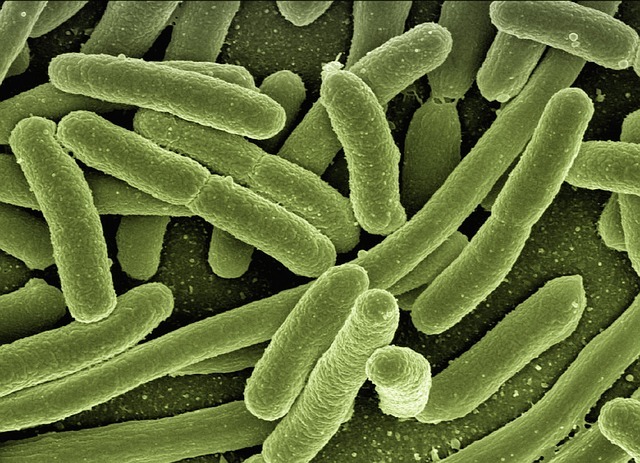
Probiotics are beneficial microorganisms that live in our large intestines. They are instrumental in ensuring we have robust immune health, they regulate our mood and of course assist in digesting and absorbing nutrients, not to mention hundreds of other positive actions in the body.

Prebiotics on the other hand are what probiotics need to survive and flourish. They are a type of fibre which travels through the small intestine undigested, which then provides fuel for our probiotics to ferment. As with all high-fibre foods prebiotic fibre passes through the small intestine undigested. It then arrives in the large intestine and provides fuel for the good bacteria to ferment and thrive on.

So you can safely say, as much as you need your probiotics for great health, you also need prebiotics to keep them well fed so they can multiply and flourish.

Given how important they are, prebiotics are still largely underrepresented in the typical Western diet.

Unfortunately this can result in issues such as –

  • Indigestion
  • Poor immunity
  • Weight gain
  • Inflammation


What’s best to consume?  A prebiotic or probiotic?


A combination of both is ideal – although if you’re supplementing there is a caveat which I’ll come to in a bit.

Both are vitally important to maintain great health. While your beneficial bacteria provide an array of health benefits, prebiotics ensure they are healthy and plentiful – they really amplify the benefits that probiotics provide.

Prebiotics can be broken down into the following categories –

Fructooligosaccarides – you may find this as a supplement shortened to FOS.

Inulin – the notorious gas producing Jerusalem artichokes are high in this.

Galactooligosaccharides – when looking at supplements you may find this shortened to GOS.

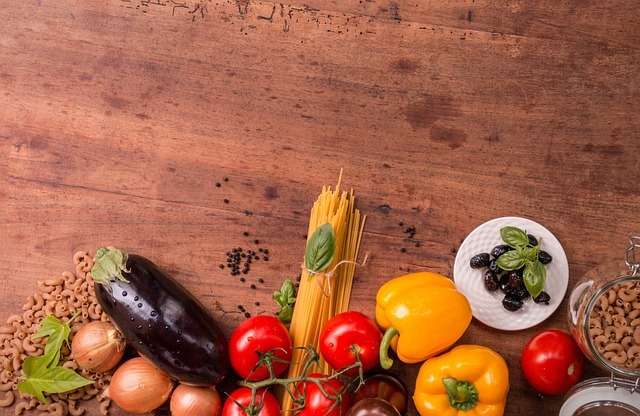
Some foods provide natural sources of prebiotics –

  • Leeks
  • Onions
  • Garlic
  • Chicory

So use these liberally in your cooking. For example use onions as a base for soups, stews and curries. You can add leeks to these and you would barely notice they’re there as they dissolve almost to nothing when they’re cooked.


The absolute best way to ensure you’re getting plenty of great quality prebiotic fibre from a wide variety of different types of fruit and veg is to join a veg box scheme. We’re all guilty of buying the same food over and over again when we shop in the supermarket (which is not ideal for our gut health), but if you join a box scheme it’s a great way to encourage you to get more variety in your diet.


I’ve been a huge fan of Riverford for many years, their produce not only tastes so much nicer, you can be confident it’s not covered in pesticides or other chemical fertilisers (which also are detrimental to your gut flora, and hormones). If you’d like to give them a try feel free to use my referral code to get £15 off – click here to learn more.


Use liberal amounts of garlic for flavour and chicory in salads.

If you increase your intake of prebiotic foods you can look forward to amazing benefits such as –

  • Less indigestion and bloating
  • Improved digestion
  • Better immune function
  • Balanced hormones
  • Greater resilience to stress
  • You’ll be less likely to gain weight


If you want to supplement, which one is best – a prebiotic or probiotic?

A combination is ideal and you can look forward to optimised body functions such as –

  • Nutrient absorption
  • Improved mood
  • Generally better gut health (there is a caveat to this, so more in a bit)


Therefore you can see that by passing through into the large intestine and feeding the beneficial bacteria, prebiotics play a vital role in increasing levels of gut bacteria such as Lactobacillus and Bifidobacteria, and ensuring great diversity.


Ensuring you’re eating a diverse diet, which  is rich in prebiotic fibre, to keep your microbiome healthy, can be a nightmare when you’re suffering with your gut.  Especially as so many of these prebiotic foods are also big trigger foods. If this is the case for you I’d highly recommend downloading my online course The Ultimate Gut Health Programme to help you eat safely, whilst avoiding triggering symptoms.


It’d be impossible to include all you need to know in one blog, but the programme will have all you need to know to ensure you’re soothing your digestive system, whilst eating delicious and filling foods.

Beware: If you’re experiencing ongoing digestive problems

As I keep mentioning there is something you need to be aware of:  If you have ongoing gut problems which you can’t get to the bottom of I’d always recommend testing first.


Why?

Because if you begin to experiment with either prebiotic or probiotic supplements you may make your symptoms worse. In these types of situations you need to establish what the root cause of your problem is. For example, you may already have established that you need to avoid foods high in prebiotic fibre such as garlic or onions, as they may make your bloating worse.


For example you may have –

  • An imbalance of gut flora
  •  Microbes in the wrong place (SIBO)
  • Inflammation, parasites or an infection
  • Food intolerances could be playing a part.

Testing will allow us to design the correct supplement programme for your needs.

So, it’s vital at the outset to establish what’s causing your problem before taking any probiotics or prebiotics. 


This doesn’t apply if your gut is already functioning OK,.  Then you can take a probiotic and prebiotic to keep things ticking over nicely, or for extra reassurance whilst travelling, for example.


If you would like to speak to me about any aspect of your gut health, then please use this link to book into my diary for a FREE 30 minute chat so I can find out more about what is going on for you.  Alternatively please use the ‘Learn More’ link below.

Free Mini Programme

Would You Like to Learn How to Fix Your Digestive SymptomsBeat the Bloat and Feel Amazing?

1:1 Coaching Plans

Get Ready to Permanently Beat the BloatSoothe Your Digestion and Feel Amazing 

Ultimate Gut Health Programme

Delicious, Filling & Inspiring ways to Become Symptom-Free, Soothe Your Gut and Enjoy Your Food Again!
Breakfast: What Should You Eat?

Breakfast: What Should You Eat?

There are a few points to bear in mind when it comes to breakfast, aside from what should you eat for breakfast, and they are –

  • There is certainly nothing special about breakfast
  • Eating healthy, good quality food for the entire day is what matters most
  • Breakfast does not ‘jump start’ your metabolism
  • Skipping breakfast doesn’t make you overeat and gain weight

Ultimately, breakfast is optional, and it all boils down to personal preference. If you feel hungry in the morning and like to eat breakfast then a protein-rich breakfast is best.

Chia seeds, nuts and eggs are examples of great protein-rich breakfast foods.

What should you eat for breakfast?  Breakfast cereal.


There’s no doubt about it, breakfast cereal is very handy indeed – most of us are in a hurry in the morning, weekday mornings are usually anything but relaxed and cereal is easy to reach for and quick to prepare.

BUT there is a problem – commercial brands are usually loaded with refined carbs and added sugar and loads of salt.

Not the best way to start the day and a surefire way to start you off on the blood sugar rollercoaster which will leave you feeling starving and craving more carbs and caffeine a couple of hours later.

But all is not lost! There are a few things to look out for when you’re selecting your cereal.


What should you eat for breakfast?  Watch the sugar content

In an ideal world you want sugar-free cereal, there are a few brands that make sugar-free but double check the labels.

For example, healthier ranges such as Deliciously Ella or Rude Health for instance will have some options which are very low in sugar (great) with high quality ingredients, and other options which are stacked with sugar.

Even if you’re shopping in a health food shop – some types are great and totally sugar free, but others can be loaded with sugar.

So be careful, always check the labels – ideally you’re looking for less than 5g of sugar per 100g, preferably with no added sugar at all.

Once you start checking labels (if you don’t already) you’ll probably be shocked at how much sugar they can contain – a lot of the time they’re just mostly sugar!!

Especially brands which are targeted at kids unfortunately.


What about wheat?

Commercial brands such as Nestle will have low sugar options, but they’re normally made of wheat, and a lot of us don’t want to be eating too much of that.  It’s commonly not tolerated that well and it can be very aggravating, especially if you have gut problems.

Beware of things like bran flakes – these can be very high in sugar (alarmingly so!) and bran can be very irritating to the gut so far from a healthier option.

Yes it’s a minefield!

So unless you’re going to become very label-savvy I highly recommend you prepare your own breakfast food and get creative! It doesn’t have to be cereal.


Ensuring you’re eating a diverse diet can be a nightmare when you’re suffering with your gut, especially as so many of these ‘healthy’ foods are also big trigger foods. If this is the case for you I’d highly recommend downloading my online course The Ultimate Gut Health Programme to help you eat safely, whilst avoiding triggering symptoms.


It’d be impossible to include all you need to know in one blog, but the programme will have all you need to know to ensure you’re soothing your digestive system, whilst eating delicious and filling foods.

Here are a few ideas to get you started

A great solution is to make your own granola – so much more delicious than shop-bought versions and you know exactly what’s in it!

Porridge is always good – again check prepackaged/processed types as they may contain added sugar. Always have porridge with a good serving of protein food.

Low sugar beans on toast.


Again, for more guidance around how to include all these foods into your diet, and for some inspiration check out the programme – it has loads of really simple recipes and meal plans – if that’s what you’d find useful.  To really help you pull all this together – otherwise I know it can be overwhelming.


Nut butter on toast.

Eggs – always a great, simple breakfast food – make egg muffins in advance and keep them in the fridge ready to grab as you’re heading out of the door.

Pre-make pancake mix at the weekend and use the leftovers during the week. This can be tailored to suit your dietary needs.

Smoothies and milkshakes – there are loads of great recipe ideas on line. Smoothies are my favourites as you can cram so much goodness in them, and take them with you if you’re travelling etc.

Prepare overnight oats the night before.

Don’t forget the protein!

All these ideas are packed with protein to keep you going and full of energy up until lunchtime.


If you would like to speak to me about any aspect of your gut health, then please use this link to book into my diary for a FREE 30 minute chat so I can find out more about what is going on for you.  Alternatively please use the ‘Learn More’ link below.

Free Mini Programme

Would You Like to Learn How to Fix Your Digestive SymptomsBeat the Bloat and Feel Amazing?

1:1 Coaching Plans

Get Ready to Permanently Beat the BloatSoothe Your Digestion and Feel Amazing 

Ultimate Gut Health Programme

Delicious, Filling & Inspiring ways to Become Symptom-Free, Soothe Your Gut and Enjoy Your Food Again!

Candida: Is it Behind Your Gut Symptoms?

Candida: Is it Behind Your Gut Symptoms?

‘Having candida’ tends to be a much bandied about and over-used phrase. The fact is, the candida albicans yeast is a normal part of our gut flora and should always be present in our gut in small quantities.

The problems start when candida begins to overgrow. If it gets out of control candida can grow into your gut lining, start to break it down and cause ‘leaky gut syndrome’ which can give rise to many immune related issues.


Candida Symptoms

Normally, our ‘good’ bacteria will keep candida in check. However, when candida starts to overgrow you may experience any of the following symptoms –

  • Exhaustion
  • Sugar Cravings
  • Cravings for yeasty food (like alcohol or bread)
  • Brain fog
  • Recurrent UTIs
  • Sinusitis
  • Allergies
  • Gas and bloating
  • Low immunity
  • Thrush and other itchy, fungal patches on the skin such as athletes foot.


What causes candida?

If you’ve experienced any of the following scenarios, then you could well be looking at candida as the cause of your issues –

  • A course of broad spectrum antibiotics
  • Ongoing antibiotic treatment
  • Taking the contraceptive pill
  • Eating lots of sugar
  • Prolonged stress
  • Diabetes
  • Corticosteroid medications
  • Drinking a lot of alcohol


So, lets look at some of these symptoms in a bit more detail:


1. Feeling tired a lot of the time

If you feel fatigued or tired a lot of the time despite sleeping well, candida may well be to blame as it’s one of the causes of chronic fatigue, although certainly not the only one.


2. Being in a bad mood

Candida can also cause you to feel anxious, have erratic mood swings or depression, and it can also worsen PMT or menopause symptoms.  For more on managing erratic hormone levels have a look here.


3 & 4. Recurring UTIs or recurring sinusitis

It often surprises people that candida can often be the culprit behind these two niggly and persistent infections. Also, if you have anything like post-nasal drip, hay fever or congestion, candida may be to blame.


5. Digestive symptoms


Again, another common cause of ‘IBS’ type symptoms, candida can often give rise to bloating, cramps, diahorrea and constipation.

For more tips of getting rid of gut aches and pains have a look here.


6. Brain fog

Another huge symptom of candida is the dreaded brain fog – this is so common.  Do you ever have that feeling of having cotton wool between your ears? Or that you can’t concentrate, have a poor memory or lack focus? Again, if this is bothering you it may well be worth getting tested.


7. Poor blood sugar control


8. Toxins

Intolerance to fumes, cigarette smoke or perfume – due to the toxins from candida overloading the liver.


9. Fungal infections

Vaginal thrush, athletes foot, itchy patches on the skin – all of these are likely to have started from a yeast infection in the gut.


Ensuring you’re eating a diverse diet can be a nightmare when you’re suffering with your gut, especially as so many of these ‘healthy’ foods are also big trigger foods. If this is the case for you I’d highly recommend downloading my online course The Ultimate Gut Health Programme to help you eat safely, whilst avoiding triggering symptoms.


It’d be impossible to include all you need to know in one blog, but the programme will have all you need to know to ensure you’re soothing your digestive system, whilst eating delicious and filling foods.

The best way to get on top of candida?

The first thing to do is to get tested.  Although candida can commonly cause a lot of these symptoms it’s definitely not the only trigger. There are many different yeasts, parasites and bacteria that can cause similar issues and testing is the only way to know for sure where your symptoms are stemming from.


Dietary upgrades

Once you know what you’re dealing with, the usual course of action would be to modify your diet – taking out sugary and very high carb foods and replacing with lots of fresh vegetables, lean proteins and good fats.


Supplements

Anti-fungal supplementation is also usually recommended, along with replenishing levels of good bacteria. Beware – anti-fungal supplements are very strong, although you can buy them freely I wouldn’t use them unless under the supervision of a practitioner.

It’s a good idea to work with a nutrition specialist when dealing with candida, as its not advisable to restrict your diet too much when doing battle with a yeast overgrowth. It’s also essential to make sure all your detoxification and elimination pathways are functioning optimally so you don’t get too much of the dreaded ‘die-off’ reaction.


If you would like to speak to me about any aspect of your gut health, then please use this link to book into my diary for a FREE 30 minute chat so I can find out more about what is going on for you.  Alternatively please use the ‘Learn More’ link below.

Free Mini Programme

Would You Like to Learn How to Fix Your Digestive SymptomsBeat the Bloat and Feel Amazing?

1:1 Coaching Plans

Get Ready to Permanently Beat the BloatSoothe Your Digestion and Feel Amazing 

Ultimate Gut Health Programme

Delicious, Filling & Inspiring ways to Become Symptom-Free, Soothe Your Gut and Enjoy Your Food Again!
What is Insulin Resistance?

What is Insulin Resistance?

What is insulin restistance? How do you know you have it? What symptoms does it cause?

After we eat any kind of food our pancreas secretes insulin.  Its job is to ensure that the energy we consume – glucose – gets to where it needs to go. Our muscle, fat and liver cells need to absorb plenty of glucose, and insulin facilitates this process. In addition, our muscles and liver store any excess glucose, and insulin also helps with this. So what is insulin resistance?  It’s what happens when this process stops working properly.  Read on to learn about the symptoms and signs you may be affected, and some quick tips to help you nip the situation in the bud.


What is insulin resistance – what happens?

If you’re insulin resistant your body loses the capability of responding to the insulin it produces appropriately. This means your muscle, liver and fat cells don’t absorb glucose from the blood as easily as they should. Consequently the pancreas has to produce ever increasing levels of insulin to help glucose get to where it needs to go. A consequence of this is that your pancreatic cells struggle to keep up with the demand for insulin, and end up shutting down altogether. When this happens glucose builds up in the bloodstream and the result is pre-diabetes or type 2 diabetes.


Insulin resistance happens when your cells become less sensitive or receptive to insulin. They can’t keep up with all the carbs and sugar coming along.  The insulin receptors on your cells shut down, and that leads to more insulin production to try to deal with the extra unwanted sugar.


What is insulin resistance – what causes it?

Obesity, high blood pressure and increasing levels of fats in the blood are all linked to insulin resistance. Most current research points to excess weight as being being the primary driver of insulin resistance. This is especially true for weight which accumulates around the waist, giving the classic apple body shape. The great news is that losing this excess weight drastically improves how the body responds to insulin. In fact, dietary changes can prevent or delay the onset of diabetes.


Ensuring you’re eating a diverse diet can be a nightmare when you’re suffering with your gut, especially as so many of these ‘healthy’ foods are also big trigger foods. If this is the case for you I’d highly recommend downloading my online course The Ultimate Gut Health Programme to help you eat safely, whilst avoiding triggering symptoms.


It’d be impossible to include all you need to know in one blog, but the programme will have all you need to know to ensure you’re soothing your digestive system, whilst eating delicious and filling foods.

Here’s what to do

Watch your carbohydrate intake, and focus on good quality high-carb foods. Unless you happen to find a low carbohydrate diet very beneficial, I would avoid cutting back too far on carbs as this will negatively impact your gut microbiome. Instead focus on unprocessed, whole grains such as wholegrain rice, quinoa, rye, vegetables and fruits. If you feel your blood sugar control needs support stick to whole grains rather than grains made into flours – flours being much finer are rapidly absorbed into the blood stream and likely to cause more of a blood sugar spike.


Again, for more guidance around how to include all these foods into your diet, and for some inspiration check out the programme – it has loads of really simple recipes and meal plans – if that’s what you’d find useful.  To really help you pull all this together – otherwise I know it can be overwhelming.


Avoid sweet drinks


For example, fruit juice seems healthy as it contains an array of vitamins but juice doesn’t contain much, if any, fibre so the sugar will be absorbed extremely quickly into your blood stream. Again this means stress for your pancreas which has to produce enough insulin to keep up with demand. Also avoid sugary fizzy drinks and any drinks with added sugars. Stick to water as your main drink and herbal teas, tea and coffee (if of course you tolerate caffeine OK).

High fibre foods

High fibre foods are essential for keeping blood sugar levels even – as you can see from the fruit juice example I just mentioned. Fibre isn’t broken down and absorbed by the gut, so it slows the release of sugars into the blood stream keeping things on an even keel and keeping pressure off your pancreas. Ensure you’re getting an array of fibre from different sources – fresh fruits and vegetables, legumes, whole grains and avocados are all great sources.

Finally, avoid overeating.

If you follow the guidelines I’ve already mentioned you’ll be much less likely to overeat as a combination of all those food groups will keep you feeling nice and full. Eat mindfully without distraction, listening to your body’s signals which tell you it’s full.


If you would like to speak to me about any aspect of your gut health, then please use this link to book into my diary for a FREE 30 minute chat so I can find out more about what is going on for you.  Alternatively please use the ‘Learn More’ link below.

Free Mini Programme

Would You Like to Learn How to Fix Your Digestive SymptomsBeat the Bloat and Feel Amazing?

1:1 Coaching Plans

Get Ready to Permanently Beat the BloatSoothe Your Digestion and Feel Amazing 

Ultimate Gut Health Programme

Delicious, Filling & Inspiring ways to Become Symptom-Free, Soothe Your Gut and Enjoy Your Food Again!

What Causes SIBO & How to Fix it.

What Causes SIBO & How to Fix it.

This article will look at eight of the main signs that you may be affected by SIBO (small intestinal bacterial overgrowth) and what causes SIBO, together with some of the circumstances that may have given rise to it.  Then perhaps most importantly, how you can go about fixing these and finally eliminating some of those debilitating digestive issues. Is SIBO behind your digestive symptoms? Read on discover more.

What causes SIBO?

A lot of people have never heard of SIBO which stands for ‘small intestinal bacterial overgrowth’ but it’s actually incredibly common – in fact an astonishing 85% of people who have IBS symptoms also have SIBO.

It can all start when our friendly bacteria, which reside in the large intestine, gradually start to migrate to the small intestine.
These bacteria don’t belong in the small intestine, they should only be present in the large intestine.  The small intestine should only host a very small number of bacteria, and nothing like the large numbers which are housed by the large intestine.

How does it happen?

In an ideal world, the small and large intestines protect themselves from invaders very well.
For example, the extremely acidic nature of your stomach acid will stop bacteria from setting up shop there. BUT if you take medications to decrease your stomach acid, your stomach’s best line of defence against invaders starts to diminish.
Other medications can contribute to SIBO such as the contraceptive pill, antibiotics and opioids.

The natural course of ageing can also cause stomach acid levels to decrease and increase your risk of SIBO.


What else causes SIBO?

Another huge cause of SIBO is when the motility of the intestines stops functioning as it should. This means the intestines aren’t pushing their contents through quickly enough, which in turn gives an opportunity for displaced bacteria to linger around a bit too long, and start to colonise.

Any kind of bowel surgery, or other bowel condition such as ulcerative colitis or crohns can cause this to happen, as can gallbladder removal.

The gallbladder stores bile, and bile acts as a further line of defence in your intestinal immune system, keeping things in balance and in the correct place.

SIBO Signs

The signs you may be affected by SIBO are very similar to many other digestive complaints.  The symptoms include –

SIBO is caused by, and hides behind, other digestive complaints you may be experiencing, so it can be tricky to establish what exactly is causing your symptoms.

A telltale sign SIBO is affecting you might be if you’re taking a probiotic supplement in order to alleviate your digestive symptoms, BUT frustratingly your symptoms are getting worse.

This is because adding further bacteria into the mix is really stirring things up.

If you’re treating other digestive issues and seeing no improvement, this may also an indicator that SIBO is playing a part.


Testing for SIBO

The best way to test for SIBO is through a simple breath test.  This measures the amount of gas being produced by bacteria in the small intestine. The only way the body produces these gasses (methane and hydrogen) is through bacteria. We can also tell from stool test which bacteria you have present and whether or not they’re likely to be causing SIBO.


We’ve looked at what causes SIBO, but how do we Help SIBO heal?

Healing from SIBO can be notoriously tricky.

Why?

Because the bacteria have established themselves in a place they shouldn’t be, so as a means of defence they cover themselves in a protective layer, known as a ‘biofilm’.

For more help to get on the right track with eating, specifically if you need support with your gut health, check out my online programme here.

Biofilms are created to protect bacterial colonies. Plaque that forms on teeth is another type of biofilm, and you know what a faff that can be to remove! 


With that in mind, a program of treatment to effectively eliminate SIBO, and prevent relapse, will look something like this –

Antibiotics/herbs

Antibiotics and/or natural antibacterial herbs to eliminate the infection.

Supplements to break down the biofilm so the antibacterial agents can get to work. Vital at this stage.


Low FODMAP diet

A low FODMAP diet and the use of digestive enzymes will take the stress off the gut whilst it heals.


Herbs to restore gut motility – ginger is good for this, among others. For info on more herbs and spices which are great for soothing your gut symptoms click here.


Gut repair and lifestyle

Gut repair supplements.

Lifestyle upgrades such as exercise and meditation to control stress. Stress is a MASSIVE cause of gut health issues. So mindset work and exercise will really help you to heal, and help prevent any future flare ups.


If you would like to speak to me about any aspect of your gut health, then please use this link to book into my diary for a FREE 30 minute chat so I can find out more about what is going on for you.  Alternatively please use the ‘Learn More’ link below.

Free Mini Programme

Would You Like to Learn How to Fix Your Digestive SymptomsBeat the Bloat and Feel Amazing?

1:1 Coaching Plans

Get Ready to Permanently Beat the BloatSoothe Your Digestion and Feel Amazing 

Ultimate Gut Health Programme

Delicious, Filling & Inspiring ways to Become Symptom-Free, Soothe Your Gut and Enjoy Your Food Again!

Simple Home Remedies for Gut Trouble

Simple Home Remedies for Gut Trouble

If you find your digestion’s feeling a bit off, maybe with bloating, nausea or aches and pains, you could do a lot worse than to make sure you have plenty of herbs and spices to hand in your kitchen cupboards. Read on to discover some simple home remedies for gut trouble.

There are literally hundreds of herbs and spices to help with day to day tricky gut situations.

Some herbs will support your body in producing bile. Bile is a digestive substance produced by the gall bladder which helps you digest fatty foods.

Many of these herbs and spices assist in soothing the gut wall. This helps ensure your gut is functioning correctly and gets any pesky excess gas out of your system.

However they do their job, you can be assured that the following herbs and spices will support healthy digestion, allowing the gut to function as it’s supposed to.

And apart from all that they taste amazing too!

Here are four of my favourite simple home remedies for gut trouble

1. Fennel

The seeds are often served in Asia alongside or after your food to promote healthy digestion.  An easier way is to drink fennel tea, or buy a fresh fennel bulb from the supermarket. It makes an awesome soup.

The seeds and the plant have been scientifically proven to be –

  • Antibacterial
  • Anti-fungal
  • Anti inflammatory

So, it may well help you get rid of any bacteria which is causing gassiness, or help with an upset stomach.

Chamomile

My favourite herb of all time and so handy. I have a box of chamomile tea in the kitchen all the time as I use it for sleeping and relaxation.

A lesser known benefit of chamomile is as a great treatment in case of any stomach aches or bloating. It works so well. Sometimes just three small cups of chamomile tea, one after the other, can nail most minor digestive complaints.

It’s also been proven in animal studies to be anti inflammatory and reduce diarrhoea. Not only that, it can also to inhibit the development of stomach ulcers – amazing!

Ginger

A very well known remedy for all types of nausea, including morning sickness and travel sickness.

Ginger is very versatile. You can grate or chop the fresh bulbs, and add to hot water to make tea. Alternatively, add to stir-fry or curries.

To make things even simpler, buy it as a tea or use dried ginger in cooking.

Cumin (a lovely, simple home remedy for gut trouble)

Cumin is great for indigestion and actually revs your digestive processes up by increasing the activity of digestive enzymes.

Again, cumin will increase the production of bile so it’d be a great idea to include some of this if you tend to feel uncomfortable after eating fatty foods.

People with IBS have even reported improved symptoms after taking cumin as a supplement.

You might have noticed that a lot of these spices are traditionally served alongside notorious foods which commonly aggravate digestion, such as beans and lentils. Chilli and dhal are excellent examples of this.

There is a reason for this, they do actually help your gut to break down these harder to digest foods.  Here’s a great recipe for a delicious lentil dhal.

So there you go, four essential home remedies for gut trouble to have in your cupboard to support your digestion day-to-day. Enjoy them as teas or in cooking!

If you’re suffering with your digestion then please do hop on a FREE 30 minute Gut Healing Call I’d love to speak to you and find out more about you.

If you would like to speak to me about any aspect of your gut health, then please use this link to book into my diary for a FREE 30 minute chat so I can find out more about what is going on for you.  Alternatively please use the ‘Learn More’ link below.

Free Mini Programme

Would You Like to Learn How to Fix Your Digestive SymptomsBeat the Bloat and Feel Amazing?

1:1 Coaching Plans

Get Ready to Permanently Beat the BloatSoothe Your Digestion and Feel Amazing 

Ultimate Gut Health Programme

Delicious, Filling & Inspiring ways to Become Symptom-Free, Soothe Your Gut and Enjoy Your Food Again!

Loading...