Mineral Deficiency, Anxiety & Gut Health: Why Magnesium Matters

Mineral Deficiency, Anxiety & Gut Health: Why Magnesium Matters

Did you know that up to 80% of people may have a mineral deficiency — particularly magnesium? This powerhouse nutrient is behind over 300 essential processes in the body, from muscle function to brain health, gut balance to energy production. In fact, it even regulates other key minerals like sodium, potassium, and calcium, while supporting glutathione — your body’s master antioxidant.

When magnesium levels are low, you feel it. Fatigue, restless nights, anxious thoughts, and gut discomfort can all be linked to this common mineral deficiency.


What happens when your body runs low?

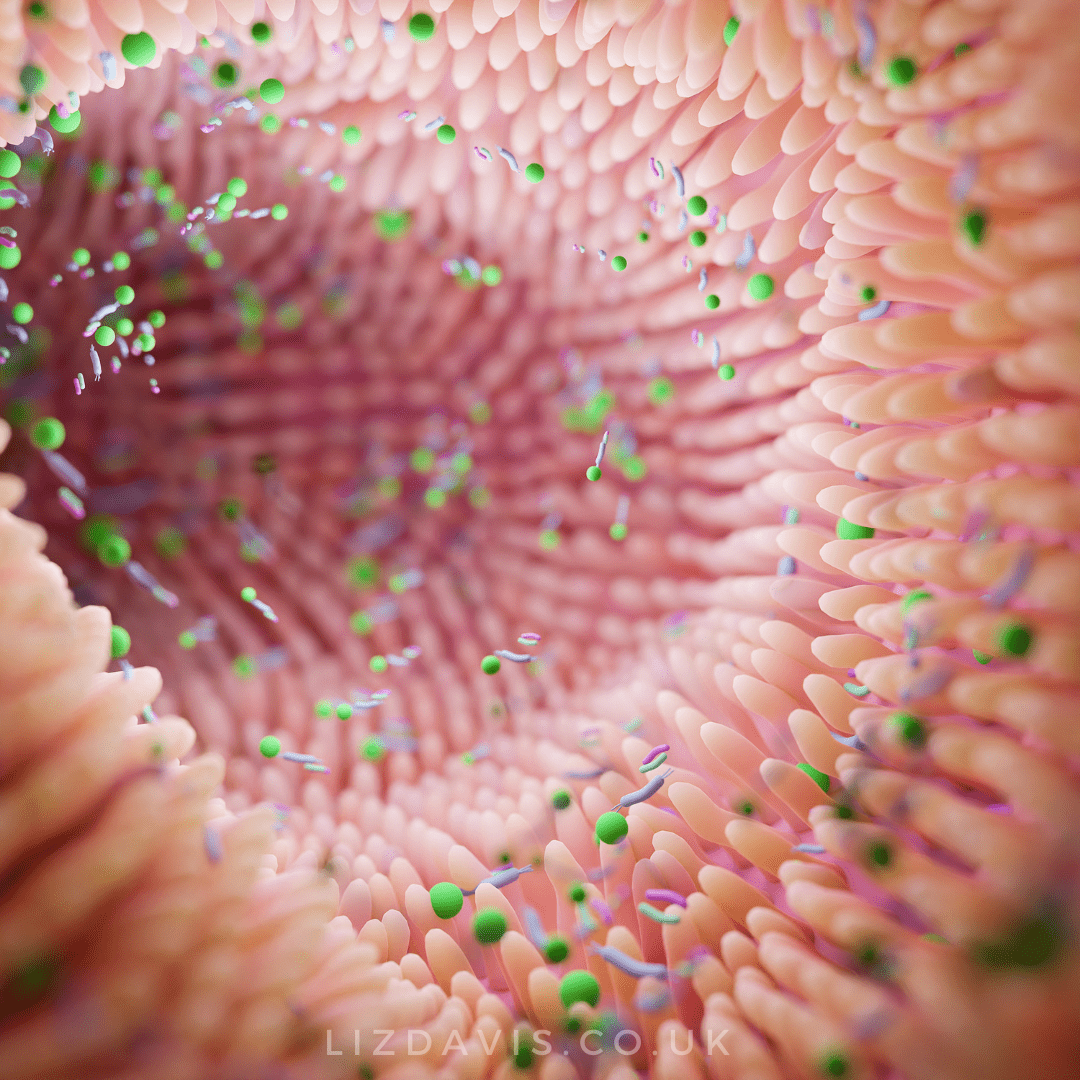
Research shows that magnesium deficiency disrupts the microbiome — the community of bacteria in your gut. In studies on mice, those on low-magnesium diets not only had poor gut diversity but also displayed behaviours linked to depression in humans.

Low magnesium leads to:

  • Reduced beneficial bacteria

  • Increased inflammation

  • Poor gut health and lower mood

And it doesn’t stop there. Signs of a mineral deficiency may include:

  • Leg cramps and restless legs

  • Insomnia and poor sleep

  • Anxiety, irritability, restlessness

  • Fatigue and low energy

Magnesium is also crucial for healthy levels of GABA, the calming neurotransmitter. Without enough, your nervous system stays on edge.


If you’re serious about supporting your gut health, my online course, The Ultimate Gut Health Programme, is the perfect next step. It’s designed to help you calm your digestive system, avoid common triggers, and still enjoy delicious, satisfying meals.

This blog is just the tip of the iceberg — the course goes much deeper, giving you everything you need to truly soothe your gut, feel lighter, and reclaim your digestive comfort.

👉 Click here to get instant access and start feeling the difference today!


What causes mineral deficiency?

Magnesium shortfalls are more common than you think. Here’s why:

  • Soil depletion — modern farming strips minerals from our food supply

  • Digestive issues — conditions like leaky gut, IBD, or SIBO reduce absorption

  • Medication use — some drugs interfere with gut health and nutrient uptake

  • Stress — high stress depletes magnesium rapidly

  • Genetics — some people simply absorb it less efficiently

Who’s most at risk?

You may be more vulnerable to a magnesium-related mineral deficiency if you:

  • Eat few magnesium-rich foods

  • Have gut conditions like coeliac or IBD

  • Live with chronic stress

  • Take certain long-term medications

How to raise your magnesium levels naturally

The best sources of magnesium-rich foods include:

  • Dark leafy greens

  • Nuts and seeds

  • Lentils and other legumes

  • Whole grains

  • Dark chocolate (75%+ cacao)

If food alone isn’t enough, consider:

  • Magnesium skin sprays — great for people with absorption issues

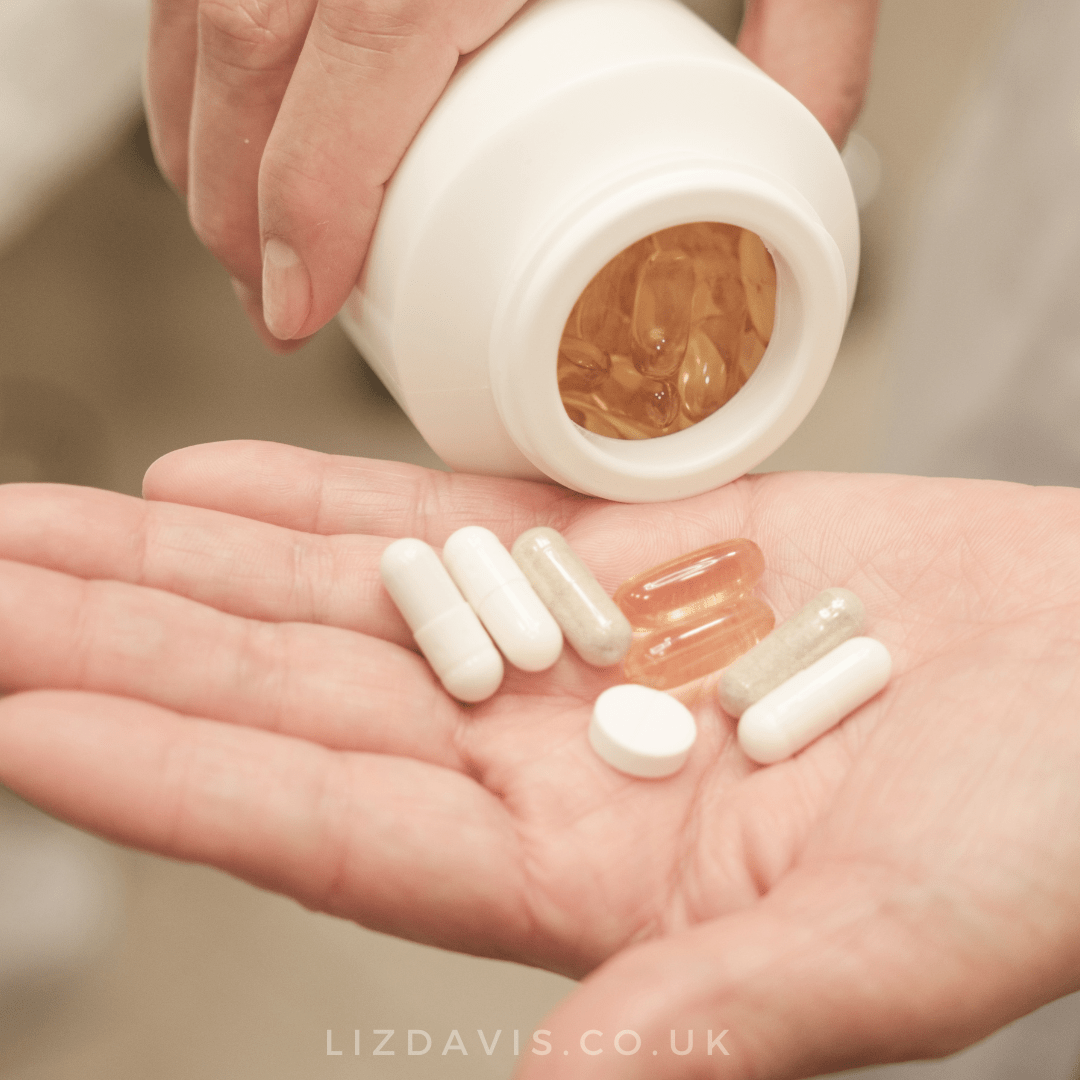
  • Supplements such as:

    • Magnesium glycinate: highly absorbable and gentle

    • Magnesium malate: ideal for muscle health

    • Magnesium threonate: supports brain health and mood

A daily dose of around 300–400mg works for most people (but check with your healthcare provider if you’re on medication).

Ready to take action?

Don’t let a hidden mineral deficiency hold you back. If you’d like tailored advice and support, book a FREE 30-minute chat with me, link below — let’s explore what’s really going on in your body and how I can help you feel your best again.

If you would like to speak to me about any aspect of your gut health, then please use this link to book into my diary for a FREE 30 minute chat so I can find out more about what is going on for you.  Alternatively please use the ‘Learn More’ link below.

Free Mini Programme

Would You Like to Learn How to Fix Your Digestive SymptomsBeat the Bloat and Feel Amazing?

1:1 Coaching Plans

Get Ready to Permanently Beat the BloatSoothe Your Digestion and Feel Amazing 

Ultimate Gut Health Programme

Delicious, Filling & Inspiring ways to Become Symptom-Free, Soothe Your Gut and Enjoy Your Food Again!
Collagen Peptides: 7 Reasons You Might Benefit from a Supplement

Collagen Peptides: 7 Reasons You Might Benefit from a Supplement

What are collagen peptides?

Collagen peptides are a form of collagen that’s been broken down for easier absorption. Collagen itself is the most abundant protein in your body and a vital building block for muscles, skin, ligaments, and tendons. Without enough of it, your body struggles to stay strong, supple, and resilient.

There are 28 different types of collagen, but the most common are:

  • Type I – the most abundant type, found in connective tissue throughout the body.

  • Type II – supports skeletal joints and cushions the spine.

  • Type III – found in skin and blood vessels.

  • Type IV – helps protect organs, supports the kidneys, and plays a role in eye and ear health.

Because collagen production naturally declines with age, collagen peptides supplements have soared in popularity. Their hydrolysed form makes them much easier for your body to absorb and put to work.


Dietary sources of collagen

If you’d rather get collagen from food, options include:

  • Bone broth (a rich, natural source of gelatin and collagen).

  • Animal proteins like chicken, beef, pork, and fish.

  • Egg whites.

Don’t forget vitamin C – it’s essential for collagen synthesis. Citrus fruits, kiwis, and broccoli are excellent choices, and supplementation can help your body produce and use collagen peptides more efficiently.


7 Benefits of Collagen Peptides


1. Gut Health – leaky gut support

Collagen peptides may help strengthen the gut lining, supporting your body in repairing and sealing intestinal cells. This can reduce the movement of toxins into your bloodstream and support a healthier digestive system.

2. Radiant, youthful skin

Collagen is a key component of skin elasticity, strength, and hydration. As natural levels decline, wrinkles and dryness become more visible. Research shows collagen peptides can improve skin elasticity and hydration, helping to slow visible ageing.


If you’re serious about supporting your gut health, my online course, The Ultimate Gut Health Programme, is the perfect next step. It’s designed to help you calm your digestive system, avoid common triggers, and still enjoy delicious, satisfying meals.

This blog is just the tip of the iceberg — the course goes much deeper, giving you everything you need to truly soothe your gut, feel lighter, and reclaim your digestive comfort.

👉 Click here to get instant access and start feeling the difference today!


3. Joint comfort and mobility

Collagen peptides help protect and repair cartilage, the flexible tissue that cushions joints. Supplementing may reduce stiffness and discomfort, especially in those with osteoarthritis or age-related joint changes.

4. Stronger bones

Declining collagen production also weakens bones, increasing the risk of fractures. Collagen peptides supplementation has been linked to improved bone density and resilience, helping you maintain strength as you age.

5. Lean muscle mass

Collagen is crucial for skeletal muscle. Studies show people who add collagen peptides to their routine build more muscle mass during resistance training than those who don’t supplement.

6. Overall recovery and resilience

Whether from exercise or day-to-day wear and tear, collagen peptides support tissue repair. This makes them popular with athletes and anyone wanting faster recovery.

7. Easy to use and well tolerated

Collagen peptides are flavourless, dissolve easily in hot drinks, and are generally well tolerated (avoid marine collagen if you’re allergic to fish). They’re one of the simplest daily supplements to add to your routine.

The takeaway

Collagen peptides are a simple, effective way to support gut health, skin, joints, bones, and muscle. If you’d like tailored advice on how supplements and nutrition can support your digestive health, click the link, below.

If you would like to speak to me about any aspect of your gut health, then please use this link to book into my diary for a FREE 30 minute chat so I can find out more about what is going on for you.  Alternatively please use the ‘Learn More’ link below.

Free Mini Programme

Would You Like to Learn How to Fix Your Digestive SymptomsBeat the Bloat and Feel Amazing?

1:1 Coaching Plans

Get Ready to Permanently Beat the BloatSoothe Your Digestion and Feel Amazing 

Ultimate Gut Health Programme

Delicious, Filling & Inspiring ways to Become Symptom-Free, Soothe Your Gut and Enjoy Your Food Again!
Dairy: 6 Things You Really Need to Know

Dairy: 6 Things You Really Need to Know

What’s the problem with dairy? Some people thrive on it, others find it’s the root cause of bloating, skin flare-ups, or endless sniffles. If you’ve ever wondered whether dairy is secretly behind your symptoms, this is for you.

A dairy-free diet doesn’t always mean no dairy forever. For some, it’s about reducing it, swapping to fermented or raw dairy, or just testing how your body reacts. Let’s run through six key things you need to know about dairy and why it might (or might not) be a problem for you.


1. Dairy and bloating – a common link
If you’re constantly bloated after your latte or cheese board, dairy could be to blame. Often, it’s down to your gut bacteria being out of balance, or your body struggling to digest the proteins and sugars in milk.


2. Digestion often improves without dairy
Cramps, nausea, diarrhoea, stomach pain… if any of that rings a bell, dairy might be playing tricks on your digestion. Lactose intolerance is way more common than most people realise, and for many, ditching dairy calms IBS and other digestive issues.


If you’re serious about supporting your gut health, my online course, The Ultimate Gut Health Programme, is the perfect next step. It’s designed to help you calm your digestive system, avoid common triggers, and still enjoy delicious, satisfying meals.

This blog is just the tip of the iceberg — the course goes much deeper, giving you everything you need to truly soothe your gut, feel lighter, and reclaim your digestive comfort.

👉 Click here to get instant access and start feeling the difference today!


3. Dairy and your skin
Acne, eczema, or breakouts that just won’t shift? There’s solid research linking dairy to skin flare-ups. The good news: people often see big improvements by cutting back on dairy and adding in probiotics to support gut-skin health.


4. Where to get your calcium (without dairy)


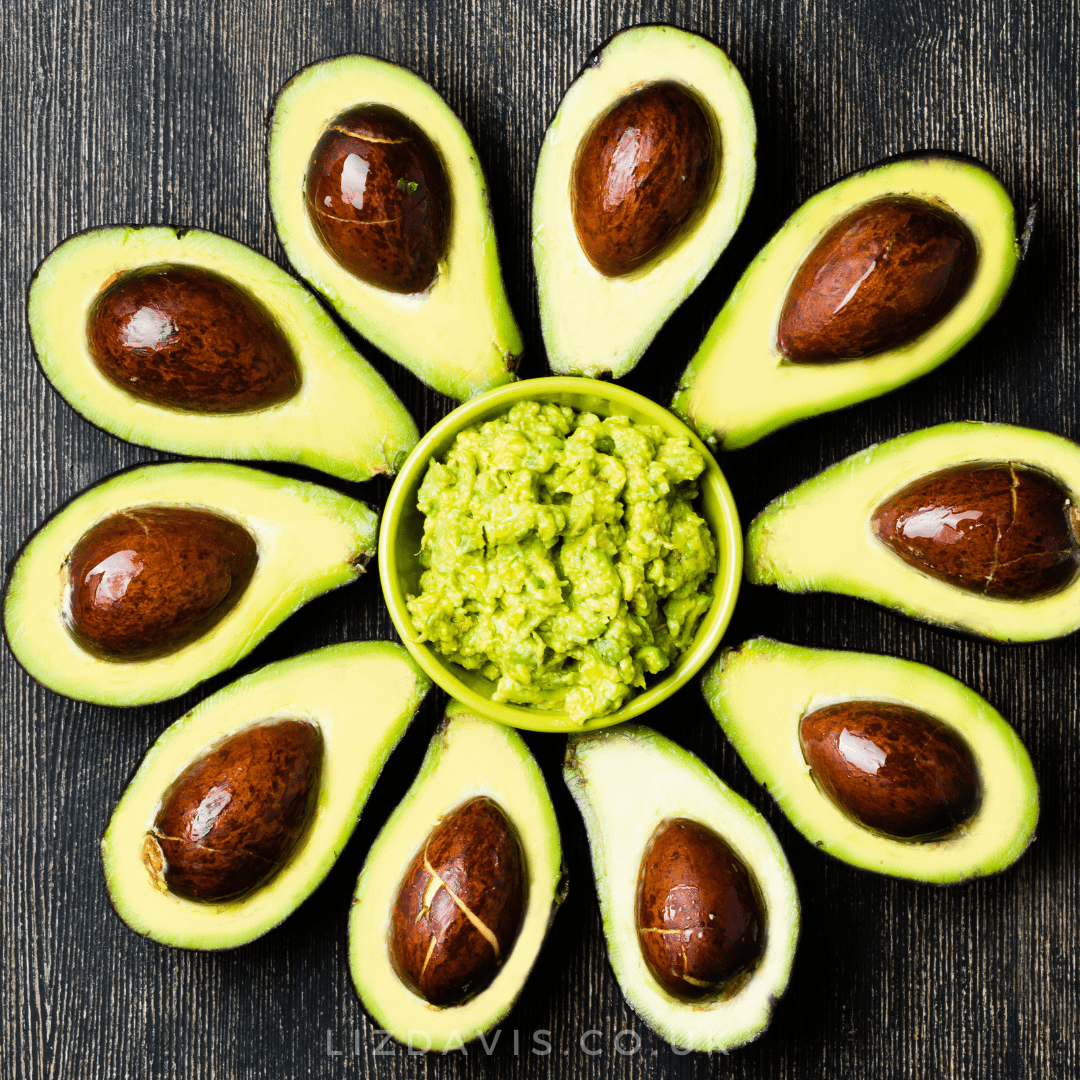
We’re told dairy is the source of calcium, but that’s not true. Calcium needs magnesium to work properly — and most people are low in magnesium. Great non-dairy sources include leafy greens, avocados, bananas, figs, cocoa, nuts, seeds, and even sardines or tinned salmon.

5. Easier-to-digest dairy options


If you don’t want to ditch dairy completely, raw and fermented dairy are often much gentler on the gut. Think kefir, natural yogurt, or raw milk (if you can source it direct from farmers). Fermentation basically does the hard digestive work for you!

6. Test it for yourself


The simplest way to find out if dairy is behind your symptoms? Try cutting it out for 2–4 weeks. Notice how your digestion, skin, and energy change. Or experiment with fermented/raw dairy only. Your body will tell you quickly if dairy’s a problem.

Bottom line: Dairy isn’t automatically “bad” — it depends on you. If you’ve got symptoms you can’t explain, a short trial without dairy can be really eye-opening. But if you notice no difference, something else may be going on — that’s where proper gut testing can really help.

If you would like to speak to me about any aspect of your gut health, then please use this link to book into my diary for a FREE 30 minute chat so I can find out more about what is going on for you.  Alternatively please use the ‘Learn More’ link below.

Free Mini Programme

Would You Like to Learn How to Fix Your Digestive SymptomsBeat the Bloat and Feel Amazing?

1:1 Coaching Plans

Get Ready to Permanently Beat the BloatSoothe Your Digestion and Feel Amazing 

Ultimate Gut Health Programme

Delicious, Filling & Inspiring ways to Become Symptom-Free, Soothe Your Gut and Enjoy Your Food Again!
Healthy Gut Bacteria – Why They Matter (and When You Might Need a Boost)

Healthy Gut Bacteria – Why They Matter (and When You Might Need a Boost)

Keeping your levels of healthy gut bacteria in check is one of the best investments you can make in your long-term health. Not only do they play a vital role in keeping digestion on track, but they also have a say in your mood, immunity, skin, and even how you recover from illness.

But before you rush out to grab a supplement, here’s the golden rule: if you have ongoing digestive symptoms – such as bloating, diarrhoea, constipation, or abdominal discomfort – get tested first. Certain conditions, like SIBO (Small Intestinal Bacterial Overgrowth), can actually get worse if you introduce probiotics without knowing what’s really going on in your gut.

Let’s look at six key times when you might consider topping up your healthy gut bacteria.


1. Digestive health

Your gut microbiome is a busy, complex ecosystem, and a balanced one is crucial for smooth digestion. If you’re struggling with symptoms like bloating, irregularity, or discomfort, healthy gut bacteria may be part of the solution – though rarely the only one. Just remember: testing first can save you from making things worse if the balance is already tipped in the wrong direction.


2. Emotional wellbeing

Ever had “butterflies” before a big event? That’s your gut and brain chatting. Scientists call it the gut-brain axis, and research now shows that what happens in your digestive system can directly influence your mood. Strains from the bifidobacterium family, for example, have been linked to better emotional balance. So if you’re feeling anxious, low, or a bit “off”, your healthy gut bacteria might deserve some attention.


If you’re worried about your gut health, I’d highly recommend downloading my online course The Ultimate Gut Health Programme to help support your digestive system, whilst avoiding triggering symptoms.

It’d be impossible to include all you need to know in one blog, but the programme will have all you need to know to ensure you’re soothing your digestive system, whilst eating delicious and filling foods.


3. Immune support

Around 70–80% of your immune system lives in your gut. An unhealthy microbiome can leave you more vulnerable to infections and inflammation. Certain strains – such as Lactobacillus paracasei – have been shown to give immune defences a boost. Supporting healthy gut bacteria can also help calm inflammatory conditions.


4. Skin health

Your gut doesn’t just influence how you feel on the inside – it can show up on your skin too. Research has found that healthy gut bacteria can support conditions like eczema, acne, and dermatitis. Lactobacillus rhamnosus, for example, has been linked to improvements in skin clarity and resilience.

5. During and after antibiotics

Antibiotics are sometimes essential, but they don’t discriminate – wiping out both good and bad bacteria. Taking a quality probiotic (at a different time of day from your antibiotics) can help protect your gut lining and speed up recovery. Think of it as giving your healthy gut bacteria a jump-start.

6. When travelling

If you’re heading somewhere where “traveller’s tummy” is common, it’s worth starting a probiotic routine a couple of weeks before your trip and continuing after you return. Saccharomyces boulardii, a beneficial yeast, is particularly good for warding off travel-related digestive upsets.

Everyday gut care

If you’re generally healthy, you may not need a daily supplement – but feeding your healthy gut bacteria is always a good idea. They thrive on prebiotic foods like leeks, onions, garlic, green bananas, and a colourful variety of vegetables.

You can also add probiotic foods to your diet, such as:

  • Sauerkraut

  • Milk or water kefir

  • Natural yogurt

  • Certain raw cheeses

  • Kombucha

  • Miso

When buying fermented foods, check labels and avoid those with added sugars, which undo the benefits.

💡 Bottom line: Your healthy gut bacteria influence far more than just your digestion. Look after them, and they’ll look after you – whether you’re at home, under the weather, or halfway across the world.

If you would like to speak to me about any aspect of your gut health, then please use this link to book into my diary for a FREE 30 minute chat so I can find out more about what is going on for you.  Alternatively please use the ‘Learn More’ link below.

Free Mini Programme

Would You Like to Learn How to Fix Your Digestive SymptomsBeat the Bloat and Feel Amazing?

1:1 Coaching Plans

Get Ready to Permanently Beat the BloatSoothe Your Digestion and Feel Amazing 

Ultimate Gut Health Programme

Delicious, Filling & Inspiring ways to Become Symptom-Free, Soothe Your Gut and Enjoy Your Food Again!
Liver Health and Digestion: Why Your Gut, Hormones, and Immunity Depend on It

Liver Health and Digestion: Why Your Gut, Hormones, and Immunity Depend on It

If your digestion’s been feeling a bit ‘off’, your hormones are playing up, or your immune system isn’t quite firing on all cylinders, your liver might be crying out for some TLC. This unsung hero works quietly behind the scenes every single day — but if it gets sluggish or congested, the effects ripple throughout your body.  Let’s explore liver health and digestion a bit more, what the liver really does for you, the signs it might need support, and simple ways to keep it working at its best.


Liver Health – Why Your Liver Is Key to Gut Health

You might not instantly link gut problems to your liver, but they’re closely connected. Everything you eat, drink, and even breathe in passes through your liver. It acts like your body’s in-house filter and chemical processing plant, ensuring harmful substances are broken down and removed efficiently.

Your liver’s main jobs include:

  • Filtering your blood – removing toxins and waste products.

  • Making bile – essential for breaking down fats from your food.

  • Storing glucose – giving you an energy boost when you need it most.

  • Balancing hormones – helping break down and remove excess oestrogen once it’s no longer needed.


If you’re worried about your gut health, I’d highly recommend downloading my online course The Ultimate Gut Health Programme to help support your digestive system, whilst avoiding triggering symptoms.

It’d be impossible to include all you need to know in one blog, but the programme will have all you need to know to ensure you’re soothing your digestive system, whilst eating delicious and filling foods.


The Liver–Hormone Connection

Your liver doesn’t just deal with toxins — it’s also a major player in hormone balance. If it’s working well, it breaks down excess oestrogen and sends it out of the body. But if it’s sluggish, that oestrogen can end up back in circulation, leading to symptoms like PMS, heavy periods, perimenopause flare-ups, and mood swings.


When Your Liver Isn’t Functioning Optimally

If your liver is congested, you may notice:

  • Bloating and digestive discomfort

  • Irregular cycles or worsening menopause symptoms

  • Fatigue and low energy

  • Weakened immunity

  • Brain fog or low mood

Foods and Habits That Slow Your Liver Down

Some things make your liver work overtime — often at the expense of its other important jobs:

  • Excess alcohol

  • Processed or refined foods

  • Non-organic, heavily sprayed fruits and vegetables

  • Processed meats

  • Hydrogenated or refined vegetable oils

  • Sugary snacks and drinks

And it’s not just food. Chronic stress can inflame the body and worsen liver damage over time.

Liver Health – Simple Ways to Support Your Liver

  1. Go easy on alcohol and medication – All drugs, whether prescribed or over-the-counter (e.g., painkillers, anti-inflammatories, contraceptive pills), need processing by your liver.

  2. Choose an anti-inflammatory diet – Opt for organic where possible to reduce pesticide exposure. Eat plenty of fibre, colourful vegetables, and antioxidant-rich foods.

  3. Reduce toxin exposure – Switch to natural cleaning products, organic skincare, and avoid aerosols or insecticides where possible.

  4. Breathe clean air – Open windows, use plants indoors, and avoid smoking or smoky environments.

💬 Worried you might have a sluggish liver or ongoing gut issues?


I can help you find the root cause and support your digestion, hormones, and energy levels.
Click the link, below, to book yourself into my diary to chat about your symptoms and the next steps to feeling your best.


If you would like to speak to me about any aspect of your gut health, then please use this link to book into my diary for a FREE 30 minute chat so I can find out more about what is going on for you.  Alternatively please use the ‘Learn More’ link below.

Free Mini Programme

Would You Like to Learn How to Fix Your Digestive SymptomsBeat the Bloat and Feel Amazing?

1:1 Coaching Plans

Get Ready to Permanently Beat the BloatSoothe Your Digestion and Feel Amazing 

Ultimate Gut Health Programme

Delicious, Filling & Inspiring ways to Become Symptom-Free, Soothe Your Gut and Enjoy Your Food Again!

Hormones and Gut Health: The Surprising Connection

Hormones and Gut Health: The Surprising Connection

Someone recently asked me a brilliant question:  “Is gut health really linked to hormone health?  And the answer is a big, resounding YES.  If your digestion goes a bit haywire just before your period, or things have really flared up since hitting perimenopause — you’re not imagining it. There’s a powerful connection between hormones and gut health. 

Let’s break it down…


💥 How Your Hormones Affect Your Gut (and vice versa)

Your sex hormones — oestrogen and progesterone — have a direct effect on gut motility and sensitivity. That means they influence how your gut moves and reacts to food, stress, and other triggers.

So when these hormone levels fluctuate (hello PMS, perimenopause, or menopause), it’s no surprise that gut symptoms often spike. Bloating, constipation, diarrhoea, cravings, and general digestive discomfort are all common.

But the relationship goes both ways.

When your gut is inflamed — due to things like stress, medications, food intolerances, alcohol, or even over-exercising — it can disrupt how your hormones are processed, especially oestrogen.

You might not even know your gut is inflamed… but if you’re dealing with PMS, heavy periods, mood swings, or hot flushes — it’s very likely involved.


🦠 Why Gut Bacteria Are the Real Hormone Heroes (or Villains)

Here’s where it gets really interesting.

Your gut bacteria play a vital role in how oestrogen is handled by your body.

In an ideal world:

  • Oestrogen is produced by the ovaries

  • It travels around doing its job

  • It gets deactivated by the liver once it’s no longer needed

  • And then it leaves the body via the digestive system

But when your gut microbiome is out of balance — specifically, if you have too many of the “bad” bacteria and not enough of the beneficial ones — things go a bit rogue.

These unhelpful bacteria produce an enzyme called beta-glucuronidase, which reactivates the oestrogen that your body was trying to get rid of.

So instead of leaving your body, that oestrogen gets recirculated — and this is where the trouble begins.

If you’re worried about your gut health, I’d highly recommend downloading my online course The Ultimate Gut Health Programme to help support your digestive system, whilst avoiding triggering symptoms.

It’d be impossible to include all you need to know in one blog, but the programme will have all you need to know to ensure you’re soothing your digestive system, whilst eating delicious and filling foods.


But when your gut microbiome is out of balance — specifically, if you have too many of the “bad” bacteria and not enough of the beneficial ones — things go a bit rogue.

These unhelpful bacteria produce an enzyme called beta-glucuronidase, which reactivates the oestrogen that your body was trying to get rid of.

So instead of leaving your body, that oestrogen gets recirculated — and this is where the trouble begins.

😖 Oestrogen Overload: What It Can Lead To

Too much oestrogen in the body — especially when it’s not being cleared properly — can lead to:

  • Heavier or more painful periods

  • Increased risk of fibroids

  • Higher breast cancer risk

  • Worsening menopause symptoms

  • Mood swings, headaches, or weight gain

This is why supporting your gut is essential if you want balanced hormones.

✅ 3 Things You Can Do Today to Support Gut & Hormone Health

If you’re noticing gut symptoms worsening during your cycle or as you transition through perimenopause, or if you think your hormones are out of balance because of ongoing gut issues — here’s what to do:

1. Eat More Fibre – Especially Cruciferous Veg
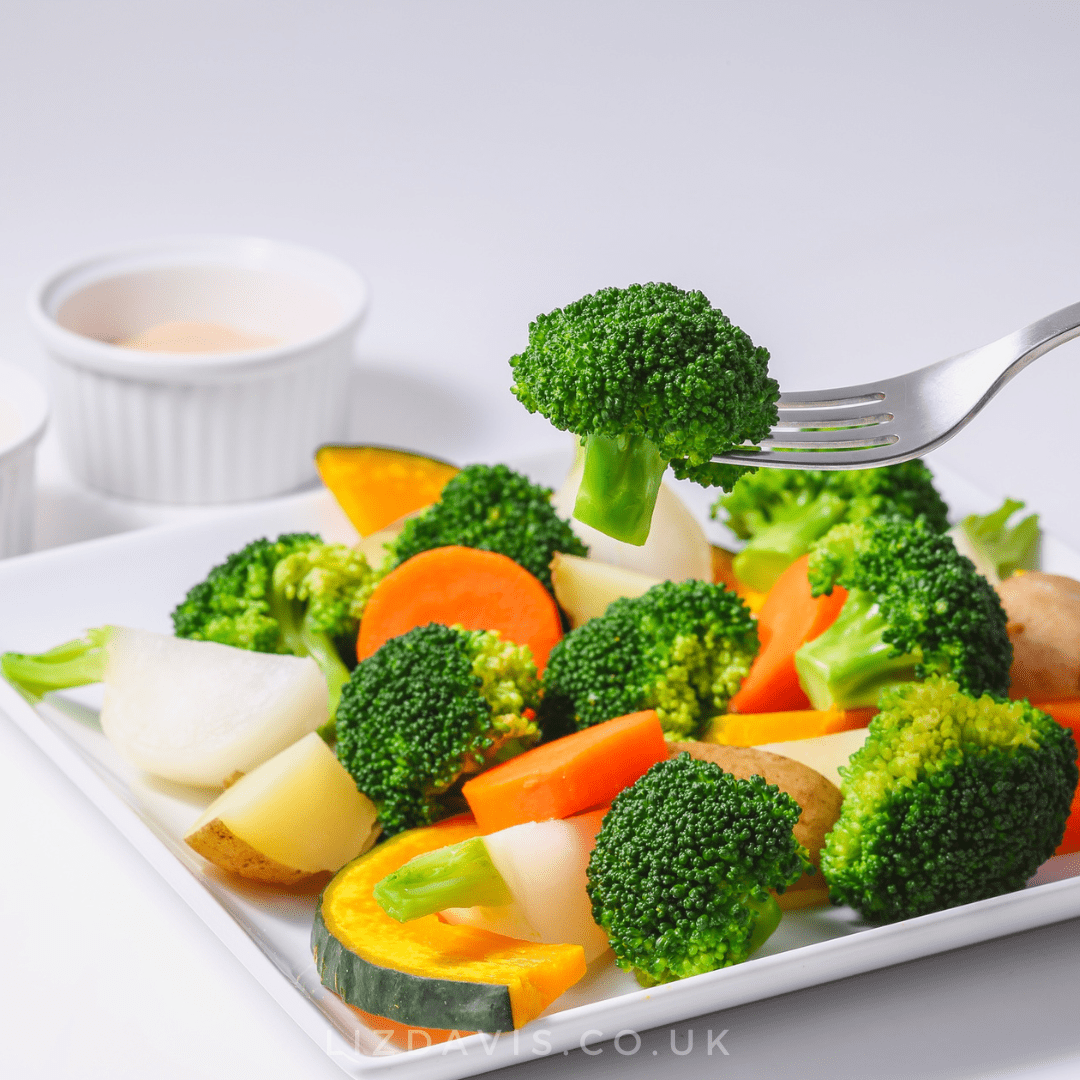
Think broccoli, kale, cauliflower, rocket, and Brussels sprouts. These help your liver process and eliminate excess oestrogen.

2. Drink Plenty of Filtered Water
Hydration supports your liver and digestive system in clearing out toxins — including excess hormones.

3. Add in Fermented Foods
A small daily dose of probiotic-rich foods like sauerkraut, kimchi, kefir, or live yoghurt can help support your good gut bacteria, reduce inflammation, and restore balance.

💬 Final Thoughts

The link between gut health and hormone balance is too strong to ignore. A healthy gut helps keep oestrogen in check. And when your hormones are balanced, your gut symptoms often start to calm down too.

If you’re struggling with hormonal issues or ongoing gut symptoms, I’d love to support you. My 1:1 support programmes are designed to help women just like you restore balance, feel more like themselves again, and stop guessing at what their body needs.

Click the link, below, to book into my diary for a quick chat.

If you would like to speak to me about any aspect of your gut health, then please use this link to book into my diary for a FREE 30 minute chat so I can find out more about what is going on for you.  Alternatively please use the ‘Learn More’ link below.

Free Mini Programme

Would You Like to Learn How to Fix Your Digestive SymptomsBeat the Bloat and Feel Amazing?

1:1 Coaching Plans

Get Ready to Permanently Beat the BloatSoothe Your Digestion and Feel Amazing 

Ultimate Gut Health Programme

Delicious, Filling & Inspiring ways to Become Symptom-Free, Soothe Your Gut and Enjoy Your Food Again!
Loading...