What Causes SIBO & How to Fix it.

What Causes SIBO & How to Fix it.

This article will look at eight of the main signs that you may be affected by SIBO (small intestinal bacterial overgrowth) and what causes SIBO, together with some of the circumstances that may have given rise to it.  Then perhaps most importantly, how you can go about fixing these and finally eliminating some of those debilitating digestive issues. Is SIBO behind your digestive symptoms? Read on discover more.

What causes SIBO?

A lot of people have never heard of SIBO which stands for ‘small intestinal bacterial overgrowth’ but it’s actually incredibly common – in fact an astonishing 85% of people who have IBS symptoms also have SIBO.

It can all start when our friendly bacteria, which reside in the large intestine, gradually start to migrate to the small intestine.
These bacteria don’t belong in the small intestine, they should only be present in the large intestine.  The small intestine should only host a very small number of bacteria, and nothing like the large numbers which are housed by the large intestine.

How does it happen?

In an ideal world, the small and large intestines protect themselves from invaders very well.
For example, the extremely acidic nature of your stomach acid will stop bacteria from setting up shop there. BUT if you take medications to decrease your stomach acid, your stomach’s best line of defence against invaders starts to diminish.
Other medications can contribute to SIBO such as the contraceptive pill, antibiotics and opioids.

The natural course of ageing can also cause stomach acid levels to decrease and increase your risk of SIBO.


What else causes SIBO?

Another huge cause of SIBO is when the motility of the intestines stops functioning as it should. This means the intestines aren’t pushing their contents through quickly enough, which in turn gives an opportunity for displaced bacteria to linger around a bit too long, and start to colonise.

Any kind of bowel surgery, or other bowel condition such as ulcerative colitis or crohns can cause this to happen, as can gallbladder removal.

The gallbladder stores bile, and bile acts as a further line of defence in your intestinal immune system, keeping things in balance and in the correct place.

SIBO Signs

The signs you may be affected by SIBO are very similar to many other digestive complaints.  The symptoms include –

SIBO is caused by, and hides behind, other digestive complaints you may be experiencing, so it can be tricky to establish what exactly is causing your symptoms.

A telltale sign SIBO is affecting you might be if you’re taking a probiotic supplement in order to alleviate your digestive symptoms, BUT frustratingly your symptoms are getting worse.

This is because adding further bacteria into the mix is really stirring things up.

If you’re treating other digestive issues and seeing no improvement, this may also an indicator that SIBO is playing a part.


Testing for SIBO

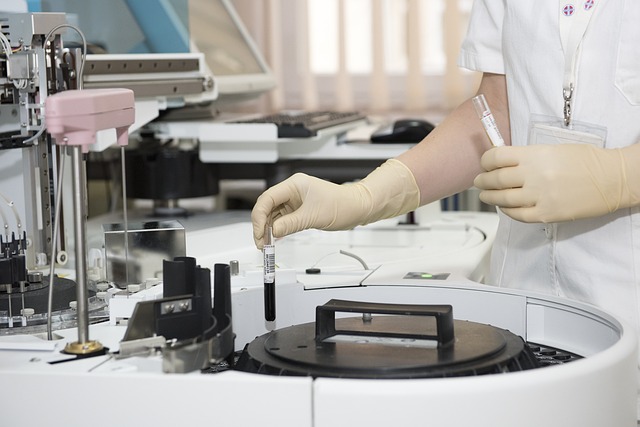
The best way to test for SIBO is through a simple breath test.  This measures the amount of gas being produced by bacteria in the small intestine. The only way the body produces these gasses (methane and hydrogen) is through bacteria. We can also tell from stool test which bacteria you have present and whether or not they’re likely to be causing SIBO.


We’ve looked at what causes SIBO, but how do we Help SIBO heal?

Healing from SIBO can be notoriously tricky.

Why?

Because the bacteria have established themselves in a place they shouldn’t be, so as a means of defence they cover themselves in a protective layer, known as a ‘biofilm’.

For more help to get on the right track with eating, specifically if you need support with your gut health, check out my online programme here.

Biofilms are created to protect bacterial colonies. Plaque that forms on teeth is another type of biofilm, and you know what a faff that can be to remove! 


With that in mind, a program of treatment to effectively eliminate SIBO, and prevent relapse, will look something like this –

Antibiotics/herbs

Antibiotics and/or natural antibacterial herbs to eliminate the infection.

Supplements to break down the biofilm so the antibacterial agents can get to work. Vital at this stage.


Low FODMAP diet

A low FODMAP diet and the use of digestive enzymes will take the stress off the gut whilst it heals.


Herbs to restore gut motility – ginger is good for this, among others. For info on more herbs and spices which are great for soothing your gut symptoms click here.


Gut repair and lifestyle

Gut repair supplements.

Lifestyle upgrades such as exercise and meditation to control stress. Stress is a MASSIVE cause of gut health issues. So mindset work and exercise will really help you to heal, and help prevent any future flare ups.


If you would like to speak to me about any aspect of your gut health, then please use this link to book into my diary for a FREE 30 minute chat so I can find out more about what is going on for you.  Alternatively please use the ‘Learn More’ link below.

Free Mini Programme

Would You Like to Learn How to Fix Your Digestive SymptomsBeat the Bloat and Feel Amazing?

1:1 Coaching Plans

Get Ready to Permanently Beat the BloatSoothe Your Digestion and Feel Amazing 

Ultimate Gut Health Programme

Delicious, Filling & Inspiring ways to Become Symptom-Free, Soothe Your Gut and Enjoy Your Food Again!

Simple Home Remedies for Gut Trouble

Simple Home Remedies for Gut Trouble

If you find your digestion’s feeling a bit off, maybe with bloating, nausea or aches and pains, you could do a lot worse than to make sure you have plenty of herbs and spices to hand in your kitchen cupboards. Read on to discover some simple home remedies for gut trouble.

There are literally hundreds of herbs and spices to help with day to day tricky gut situations.

Some herbs will support your body in producing bile. Bile is a digestive substance produced by the gall bladder which helps you digest fatty foods.

Many of these herbs and spices assist in soothing the gut wall. This helps ensure your gut is functioning correctly and gets any pesky excess gas out of your system.

However they do their job, you can be assured that the following herbs and spices will support healthy digestion, allowing the gut to function as it’s supposed to.

And apart from all that they taste amazing too!

Here are four of my favourite simple home remedies for gut trouble

1. Fennel

The seeds are often served in Asia alongside or after your food to promote healthy digestion.  An easier way is to drink fennel tea, or buy a fresh fennel bulb from the supermarket. It makes an awesome soup.

The seeds and the plant have been scientifically proven to be –

  • Antibacterial
  • Anti-fungal
  • Anti inflammatory

So, it may well help you get rid of any bacteria which is causing gassiness, or help with an upset stomach.

Chamomile

My favourite herb of all time and so handy. I have a box of chamomile tea in the kitchen all the time as I use it for sleeping and relaxation.

A lesser known benefit of chamomile is as a great treatment in case of any stomach aches or bloating. It works so well. Sometimes just three small cups of chamomile tea, one after the other, can nail most minor digestive complaints.

It’s also been proven in animal studies to be anti inflammatory and reduce diarrhoea. Not only that, it can also to inhibit the development of stomach ulcers – amazing!

Ginger

A very well known remedy for all types of nausea, including morning sickness and travel sickness.

Ginger is very versatile. You can grate or chop the fresh bulbs, and add to hot water to make tea. Alternatively, add to stir-fry or curries.

To make things even simpler, buy it as a tea or use dried ginger in cooking.

Cumin (a lovely, simple home remedy for gut trouble)

Cumin is great for indigestion and actually revs your digestive processes up by increasing the activity of digestive enzymes.

Again, cumin will increase the production of bile so it’d be a great idea to include some of this if you tend to feel uncomfortable after eating fatty foods.

People with IBS have even reported improved symptoms after taking cumin as a supplement.

You might have noticed that a lot of these spices are traditionally served alongside notorious foods which commonly aggravate digestion, such as beans and lentils. Chilli and dhal are excellent examples of this.

There is a reason for this, they do actually help your gut to break down these harder to digest foods.  Here’s a great recipe for a delicious lentil dhal.

So there you go, four essential home remedies for gut trouble to have in your cupboard to support your digestion day-to-day. Enjoy them as teas or in cooking!

If you’re suffering with your digestion then please do hop on a FREE 30 minute Gut Healing Call I’d love to speak to you and find out more about you.

If you would like to speak to me about any aspect of your gut health, then please use this link to book into my diary for a FREE 30 minute chat so I can find out more about what is going on for you.  Alternatively please use the ‘Learn More’ link below.

Free Mini Programme

Would You Like to Learn How to Fix Your Digestive SymptomsBeat the Bloat and Feel Amazing?

1:1 Coaching Plans

Get Ready to Permanently Beat the BloatSoothe Your Digestion and Feel Amazing 

Ultimate Gut Health Programme

Delicious, Filling & Inspiring ways to Become Symptom-Free, Soothe Your Gut and Enjoy Your Food Again!

Is Your Liver Causing Your Gut Problems?

Is Your Liver Causing Your Gut Problems?

If your digestion’s feeling a bit ‘off’, you’ve got hormone problems or your immunity is not what it could be, perhaps your liver could do with some TLC. Let’s take a quick look at some of the main jobs the liver does, and how we can support it. If you have a congested, or sluggish liver you’ll definitely feel the effects around the body, so is your liver causing your gut problems? Read on to discover more.

  • What does your liver do?

    It’s perhaps not the first thing that springs to mind when you think about your gut problems, but your liver is definitely a key player in your digestive system. Everything you eat, drink and consume in other ways – breathing in toxins for example – passes through it. Therefore you definitely need to treat it right so it can do its job effectively.


    • Your liver helps to clean your blood, literally filtering it and ridding the body of anything harmful.
    • It makes bile, which helps you break down fats from food.
    • And stores glucose, giving you a boost of energy when it’s needed.


    A lot of women don’t realise that their livers are a vital part of their hormones staying balanced. While the liver is filtering out toxins we don’t need, it’s also breaking down and escorting oestrogen to the door, when is no longer needed.


    The liver operates in two phases to do its detoxification work, and it needs specific vitamins and minerals to do this optimally. If it’s not functioning as it should be, or if you’ve got excess toxins circulating, then your liver gets all clogged up and can’t get rid of all that excess oestrogen. When oestrogen isn’t metabolised properly it simply ends up circulating through the body again.


    With an optimally functioning liver you can look forward to – 


    Is your liver causing your gut problems? Here’s what to avoid

    • Excessive alcohol
    • Packaged, processed and refined foods
    • Heavily sprayed fruits and vegetables
    • Processed meats
    • Refined or hydrogenated vegetable oils
    • Sugary snacks and drinks


    All these types of foods cause the liver to work extra hard to remove toxins instead of allowing it to do its main jobs in the body.

    Aside from all that, what’s also really bad for your liver is high levels of ongoing stress.

    Research has demonstrated that consistently high stress levels contribute to increased inflammation throughout the body and exacerbates liver damage.

How to avoid a sluggish liver and improve function:

  • Avoid heavy drinking and any kind of drug use.  Any kind of drug or medication taxes the liver whether it’s illegal or paracetamol, anti-inflammatories or the contraceptive pill, for example.


    • Eat an anti-inflammatory diet, and choose organic where possible to reduce the level of pesticides you’re consuming. Your diet has a huge impact on how your liver works. Because the liver is so busy processing the foods you eat it can become overwhelmed when it has too much to do.


    Sticking to a low toxin, high fibre diet which is rich in antioxidants will really support your liver in doing its job.


    • Avoid breathing in toxins, or absorbing them through your skin. Cleaning products, aerosols, cosmetics and toiletries, and insecticides typically contain toxins which damage your liver. It’s always preferable to opt for organic, natural household products where possible as these are much kinder to your liver and your health in general.


    If you would like to speak to me about any aspect of your gut health, then please use this link to book into my diary for a FREE 30 minute chat so I can find out more about what is going on for you.  Alternatively please use the ‘Learn More’ link below.

    Free Mini Programme

    Would You Like to Learn How to Fix Your Digestive SymptomsBeat the Bloat and Feel Amazing?

    1:1 Coaching Plans

    Get Ready to Permanently Beat the BloatSoothe Your Digestion and Feel Amazing 

    Ultimate Gut Health Programme

    Delicious, Filling & Inspiring ways to Become Symptom-Free, Soothe Your Gut and Enjoy Your Food Again!

    Problem Hormones: Terrible PMS or Perimenopause?

    Problem Hormones: Terrible PMS or Perimenopause?

    The solution to your hormone problems is surprisingly likely to lie with your gut health.


    Are you plagued with dreadful PMS each month?  Or perhaps you suffer with awful perimenopause symptoms?  Surprisingly, the solution to these hormone imbalances is likely to lie with your gut health. Keep reading to discover three really simple actions you can start working on today, to help get your hormones balanced.


    Hormones: What are they and what do they do?

    Examples of our hormones include –

    • Oestrogen
    • Testosterone
    • Adrenaline
    • Insulin


      They are extremely important chemical messengers that affect many aspects of our overall health.  

      Before we get onto how to support your hormone health, its useful to be aware of the kinds of symptoms which indicate your hormones might be out of whack.

      Common signs include the following:

      • Irregular periods
      • Uncontrolled weight loss or gain
      • Fatigue
      • Insomnia
      • Problems with digestion
      • Depression and anxiety
      • Energy dips throughout the day

      So as you can see, problems caused by hormone imbalances can be very far reaching, affecting just about every part of your body.

      High oestrogen can contribute to problems that include endometriosis and fertility issues, while symptoms of imbalanced insulin often include energy plunges through the day and weight gain.


      So what has all this got to do with your gut?


      Let’s focus on the female hormones here to give you an idea: Enter the estrobolome. 

      What is the estrobolome?

      The estrobolome refers to a cluster of friendly bacteria which resides in the gut. One of its functions is to metabolise and modulate levels of circulating oestrogen.

      With a healthy microbiome the estrobolome produces optimal levels of a vital enzyme called beta-glucuronidase – however, we don’t want too much of this as it can cause oestrogen imbalances – we need it at exactly the right levels. Beta-glucuronidase is also vital for nutrient absorption and carbohydrate breakdown.

      It is crucial then that your levels of friendly bacteria are optimised if you want to avoid those nasty monthly, or perimenopausal symptoms.

      For more information on optimising the health of your microbiome, click here.

      Additionally, new research is demonstrating that the dreaded leaky gut also plays a huge role in regulating hormones. How? Because inflammation tends to start in your gut, and then impacts almost every part of your health.

      So here are three REALLY SIMPLE actions you can start today to help your gut and hormone health: 

    1. Do not cut down on healthy fats!

    Whatever you do, don’t be tempted to cut down on healthy fats in a bid to cut calories and lose weight (you can happily show unhealthy fats such as crisps and cakes the door though!)

    Fat-containing foods provide a variety of short, medium and long-chain fatty acids. Your body needs these as they provide the building blocks for your hormones. You may remember a health campaign a while back urging us to cut down on cholesterol. However, you need cholesterol as it is in fact a vital building block for our hormones, as is saturated fat.

    Not only do healthy fats provide vital building blocks for our hormones, they also help to keep inflammation levels low.

    On the other hand, refined white carbohydrate foods such as sugar, flour, bread and pasta can encourage inflammation and mess up your delicate hormone balance.

    Great sources of healthy fats include –

    • Avocado
    • Oily fish (salmon, mackerel and sardines for example)
    • Nuts and seeds
    • Coconut oil
    • Extra virgin olive oil

    2. Watch your stress levels

    It’s true to say that stress is unfortunately unavoidable. However, how you manage your stressors is a major component in how well your hormones stay balanced. Key here really is taking time for yourself – making yourself a priority. It’s often tricky to acknowledge that we’re stressed when we’re in the midst of a stressful situation, but weirdly when we look back it seems obvious! It’s a good idea to get into the habit of some self-care techniques, some great ones which are easy to incorporate include:

    • Journaling – putting stress thoughts onto paper can really help
    • Meditation
    • Taking time to walk in nature each day
    • Deep breathing exercises
    • Magnesium baths
    • Acupuncture

    3. Make sleep a priority to keep your hormones happy

    If you’re not making sleep a top priority, this could be a HUGE contributor to your hormone problems. Most of us need around eight hours per night, and you need to have dropped off well before midnight.

    Sadly, disrupting your natural circadian rhythm can spell disaster for your hormones. For example, cortisol – well known for the part it plays in the stress response – is regulated at midnight, so unless you’re sound asleep by that point you’ll see no break in in your fight-or-flight reaction.

    In fact, a lack of sleep and chronic stress are two of the biggest contributors to high serum levels of stress hormones.

    So to optimise your hormone function aim to be in bed by around 10pm and keep to a regular sleep cycle. More info on how to do that here.

    If you would like to speak to me about any aspect of your gut health, then please use this link to book into my diary for a FREE 30 minute chat so I can find out more about what is going on for you.  Alternatively please use the ‘Learn More’ link below.

    Free Mini Programme

    Would You Like to Learn How to Fix Your Digestive SymptomsBeat the Bloat and Feel Amazing?

    1:1 Coaching Plans

    Get Ready to Permanently Beat the BloatSoothe Your Digestion and Feel Amazing 

    Ultimate Gut Health Programme

    Delicious, Filling & Inspiring ways to Become Symptom-Free, Soothe Your Gut and Enjoy Your Food Again!

    Immunity & Gut Health: What’s the Link?

    Immunity & Gut Health: What’s the Link?

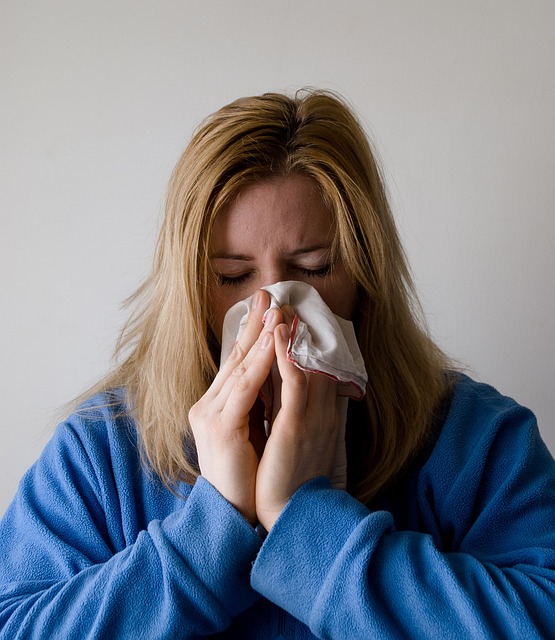
    Does optimising your gut health really help in your fight against colds and flu?  Read on to discover more. 


    Scientists are increasingly focusing on the link between our immune system and our gut. Recently its been recognised that the ‘friendly’ lactic-acid producing bacteria within our large intestine may even help to protect us against common infections such as colds and flu, so the link between immunity and gut health is very real indeed.


    This isn’t at all surprising when you realise that around 70 per cent of our entire immune system is found within the lining of the intestines, in what is known as our gut-associated lymphoid tissue (GALT). In fact, this is where you’ll also find 80% of our antibody producing immune cells hanging out. They form white patches throughout the gut, known as Peyer’s Patches. Perhaps even more importantly, this is where our T-cells form any new immune memories needed against newly discovered infections.


    Funnily enough, when I see clients for IBS and we start to tackle their gut health, one of the first improvements they tend to notice is with their immunity.  They comment that although everyone around them is dropping like flies, they’ve escaped unscathed! 


    Immunity & gut health: The mucosal barrier

    Our first point of contact for bacteria, viruses and other pathogens is our mucosal barrier. This is the layer of mucus which covers our oral cavity, digestive system, reproductive and respiratory tracts.

    This mucus layer should be packed with antibodies and will eliminate potential invaders before we’ve even had a chance to realise we were under attack.


    How do you keep it healthy?


    Vitamin A and zinc are vital nutrients for keeping your mucosal barrier healthy, strengthening both your gut health and immunity.

    Prebiotics from food and supplements keep your friendly bacteria well fed. Prebiotic-rich foods to include are –

    • Leeks
    • Onions
    • Garlic
    • Boiled and cooled potatoes
    • Chicory
    • Asparagus

    Ensuring you’re eating a diverse diet can be a nightmare when you’re suffering with your gut, especially as so many of these ‘healthy’ foods are also big trigger foods. If this is the case for you I’d highly recommend downloading my online course The Ultimate Gut Health Programme to help you eat safely, whilst avoiding triggering symptoms. 


    It’d be impossible to include all you need to know in one blog, but the programme will have all you need to know to ensure you’re soothing your digestive system, whilst eating delicious and filling foods.
    Eat to strengthen your immunity & gut health

    It goes without saying that a nutrient-dense diet is what’s needed if you want a robust immune system, so focus on –

    • Leafy greens
    • Berries
    • Ginger
    • Citrus fruits
    • Sweet potato
    • Peppers


    Again, for more guidance around how to include all these foods into your diet, and for some inspiration check out the programme – it has loads of really simple recipes and meal plans – if that’s what you’d find useful.  To really help you pull all this together – otherwise I know it can be overwhelming.  


    To further strengthen your immunity, ensure you minimise or avoid –


    • Sugar
    • Ultra processed foods
    • Excessive alcohol intake (this is very damaging to your gut)


    It’s a double-win if you can reduce sugar as you’ll help your immunity as well as your digestion.


    Minimise stress – vital to strengthen your immunity


    Ongoing stress weakens your body’s ability to fight infections. It’s not always possible to avoid sources of stress, but its our reaction to it which is important. That’s where practices such as meditation and gratitude are vitally important. Whereas herbal teas containing chamomile and lemon balm can be especially soothing.

    I hope this helps you avoid the dreaded bugs this winter.

    If you would like to speak to me about any aspect of your gut health, then please use this link to book into my diary for a FREE 30 minute chat so I can find out more about what is going on for you.  Alternatively please use the ‘Learn More’ link below.

    Free Mini Programme

    Would You Like to Learn How to Fix Your Digestive SymptomsBeat the Bloat and Feel Amazing?

    1:1 Coaching Plans

    Get Ready to Permanently Beat the BloatSoothe Your Digestion and Feel Amazing 

    Ultimate Gut Health Programme

    Delicious, Filling & Inspiring ways to Become Symptom-Free, Soothe Your Gut and Enjoy Your Food Again!
    Loading...