Feeling Exhausted?  This Could Be Why.

Feeling Exhausted? This Could Be Why.

Here are five reasons your gut health could be to blame.

I had a question in clinic this week, about how your gut health affects other parts of your body. This is very interesting as your gut health closely connects to just about every other system and function of your body. A major complaint of nearly everyone I speak to is ongoing tiredness, fatigue or exhaustion. If you’re feeling tired or exhausted all the time it can really impact your life negatively – with work, family and everything else so it’s absolutely worth getting to the root cause of it, and getting it sorted.

So if you’re feeling exhausted here are a few reasons this might be happening –

Impaired absorption may be why you’re feeling exhausted.

Firstly – if your gut isn’t functioning optimally you’re unlikely to be absorbing nutrients properly.  Your stomach just won’t be able to break down food, and allow your gut to absorb all those vitamins and minerals efficiently.  A lot of vital nutrients are going to end up passing straight through your digestive system.  If your gut function is compromised your stomach acid might be low, or you may be producing inadequate levels of enzymes from your pancreas, for example.  This will cause inadequate nutrient absorption.


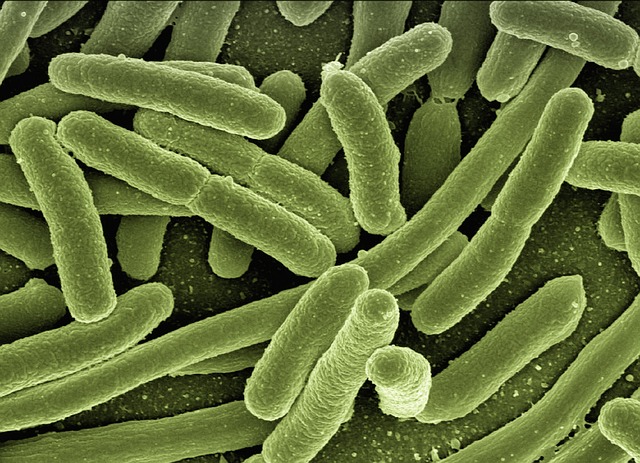
If you’re feeling tired all the time, then your microbiome – AKA gut bacteria – could be to blame.

Further along your digestive system your microorganisms are a huge influence on how effectively you digest and absorb your food. They’re also critical in how well you sleep, your mood and your hormone levels, to name a few. All these factors can influence your overall energy levels.

Any time you experience a degree of stress, be it from an infection or emotional stress, your microbiome will undoubtedly take a hit. Your bacterial balance may change from consisting of mostly beneficial species, to having overgrowths of less desirable bacterial species, or yeasts such as candida. These may not only cause digestive disturbances, but also hugely impact your energy levels.

Studies have actually shown that not only do less desirable bacterial species tend to proliferate in those who experience a lot of fatigue, but they have less bacterial diversity too. This is why I’m absolutely not a fan of overly-restrictive diets to control digestive symptoms. Everyone needs a diverse microbiome to keep healthy and energetic, and a diverse diet is needed to increase bacterial diversity.

Inflammation – how it makes you feel exhausted.

The more pathogenic species of bacteria produce substances that cause the intestinal lining and immune system to release inflammatory molecules to fight the threat of infection. This creates low-grade inflammation in the gut. If you imagine what happens when you catch a cold. You’re usually floored for a few days but then bounce back after about a week as the infection passes. With chronic inflammation the effect isn’t short and sharp, but goes on for months and even years with a vague feeling of prolonged tiredness in the background.

    Gut mucosal lining.

    One of the main tasks of your gut mucosa is to keep invaders out, and nutrients in. If gut lining integrity is compromised you end up with a condition called ‘leaky gut’ – there’s more on that here.
    When the gut lining gets thin and/or leaky, it allows particles to pass through which triggers an immune response. Among other things, the inflammation caused by this will contribute to feelings of tiredness and exhaustion. Continued inflammation will erode away at the gut wall causing it to become increasingly thin and deteriorate.

     Being under stress a lot of the time – a big reason for feeling exhausted.


    The hypothalamic-pituitary-adrenal (HPA) axis is the part of your nervous system that deals with stress. As inflammatory substances, known as cytokines, begin to circulate in increasing numbers this causes stress in the body. The more your body is stressed, the more the stress hormone cortisol is released. If this goes on for too long, your adrenal glands may become compromised resulting in insomnia and exhaustion.

    Needless to say, if you feel tired all the time this warrants investigation firstly from your GP. However if those tests don’t shed any light then do get in touch to discuss gut testing (especially if you’re experiencing gut related issues alongside). It could well provide the answers you’re looking for. 

    If you would like to speak to me about any aspect of your gut health, then please use this link to book into my diary for a FREE 30 minute chat so I can find out more about what is going on for you.  Alternatively please use the ‘Learn More’ link below.

    Free Mini Programme

    Would You Like to Learn How to Fix Your Digestive SymptomsBeat the Bloat and Feel Amazing?

    1:1 Coaching Plans

    Get Ready to Permanently Beat the BloatSoothe Your Digestion and Feel Amazing 

    Ultimate Gut Health Programme

    Delicious, Filling & Inspiring ways to Become Symptom-Free, Soothe Your Gut and Enjoy Your Food Again!

    Butter or Margarine: Which is Healthier?

    Butter or Margarine: Which is Healthier?

    Today I’m going to discuss a common area of confusion, as there are a lot of different messages out there depending on who you speak to. What it boils down to is the whole saturated fat debate. We’ve been led to believe that saturated fat is so detrimental to health we must avoid it at all costs, but is this necessary? And is butter or margarine healthier? Read on to find out.

    Just to be clear you absolutely need fat in your diet.  It’s the type of fat which can cause problems.


    The pros and cons of margarine


    • Margarine is made from vegetable oil which undergoes hydrogenation or intensive processing to harden the texture.
    • Although rich in polyunsaturated fats which are considered healthier for your heart, by the time they’ve been processed they’re less than ideal. After this processing they often become trans fats which we definitely want to avoid!
    • Some margarines contain healthier oils such as olive oil, and some really aren’t too bad at all such as the vegan brands you can buy in health food shops. These can contain a nice variety of alternative fats such as coconut oil and shea butter.
    • Margarine will almost always contain additives to make it tastier and spreadable.
    • Standard margarines are very high in omega-6 fatty acids. We need to keep our omega-3 and 6 in the correct ratio to be healthy – but there is a problem! Found everywhere, Omega-6 is in so many foods we end up eating far too much of it.
      Omega-6 can also be very inflammatory. Excessive inflammation is at the root of most disease and illness states, so really, avoiding too much omega-6 is essential.

    The bottom line on margarine:

    If you’re avoiding dairy for dietary reasons or if you’re vegan, look for brands which are free from trans fats.  Better still use ‘healthier fat’ containing brands from your health food shop.

    The pros and cons of butter:


    Although demonised as being high in saturated fat, and therefore bad for heart health, this isn’t the whole story. The jury is still out on how much saturated fat we need in our diets, but the general consensus is it definitely needs to feature in our diets to some degree.

    The nutrient profile of butter from grass-fed herds is very high. It contains some real plusses such as –

    • Vitamin K2, this plays a key role in bone and heart health, and is also key in cancer prevention.
    • Butter is also rich in several important fatty acids, including butyrate which you need for a healthy gut. You can read more about keeping your gut healthy here.
      Plenty of omega-3 fatty acids for brain and skin health.
    • Conjugated linoleic acid which helps stop weight gain and helps build muscle.

    The bottom line on butter –


    It’s rich in saturated fat which we undoubtedly need in our diets, but the jury is very much still out on how much exactly we need.
    As is usually the way with all things nutrition related – the poison’s in the dose – a small amount is likely beneficial for you, but too much may well be damaging.
    And how much butter do we really tend to eat? It’s not something we usually consume at very high levels!
    When buying butter look for grass fed, organic and if you can get it, raw.  If you have a good local farmers market you may be able to pick up raw butter there.

    So is butter or margarine healthier?

    My take on fats in general is that you want a nice variety in your diet – mix them up, including butter, so you know you’re getting some of all the necessary fats you need in your diet.

    Focus on –

    Extra virgin olive oil
    Coconut oil
    Avocado

    Nut butters
    Seed butters
    Hummus

    They can all be spread on toast too to make a delicious snack.
    Try to avoid eating only one kind, they’re all beneficial and contain different types of fats which we need for a balanced diet.

    If you would like to speak to me about any aspect of your gut health, then please use this link to book into my diary for a FREE 30 minute chat so I can find out more about what is going on for you.  Alternatively please use the ‘Learn More’ link below.

    Free Mini Programme

    Would You Like to Learn How to Fix Your Digestive SymptomsBeat the Bloat and Feel Amazing?

    1:1 Coaching Plans

    Get Ready to Permanently Beat the BloatSoothe Your Digestion and Feel Amazing 

    Ultimate Gut Health Programme

    Delicious, Filling & Inspiring ways to Become Symptom-Free, Soothe Your Gut and Enjoy Your Food Again!
    Antacids: The Truth.

    Antacids: The Truth.

    What’s the real reason for your heartburn or reflux?


    Contrary to what it may feel like, acid reflux symptoms are not usually caused by too much acid in the stomach, and antacids may not be the best remedy.  This blog outlines the truth about antacids, and why you may want to consider a natural solution.

    Here’s the thing: It seems that symptoms such as heartburn and reflux actually come about because of low stomach acid, AKA hypochlorrhidria. And what’s worse is that every time you take antacids, PPIs or H2 blockers you may actually be making the problem worse.

    The truth about antacids is they may cause a viscous cycle situation.

    Now that’s not to say that medications such as antacids don’t have a place, they are useful for effectively treating the occasional bout of heartburn or reflux. What I’m talking about here is chronic, ongoing, frequent use of these medications.

    Prolonged hypochlorhydria – or low stomach acid – is associated with

    • nutrient deficiencies,
    • diabetes,
    • chronic fatigue

    and a whole host of other disorders.

    Before we go any further into this, be aware that antacids themselves tend to be associated with an array of side effects, including –

    Constipation
    Diarrhoea
    Nausea and vomiting
    Low appetite
    Headaches

    Proton Pump Inhibitors

    Proton Pump Inhibitors (PPIs) actually stop the production of stomach acid and pepsin. Pepsin is the enzyme responsible for breaking down protein into easily digestible particles.

    Needless to say, if your protein isn’t broken down effectively it can go on to cause a lot of problems further along your digestive tract – mainly a lot of bloating.

    The bloating may cause extra pressure in your abdomen, including your stomach, and cause your lower oesophageal sphincter to open somewhat, allowing hydrochloric acid to seep into the oesophagus.


    So what does cause these uncomfortable symptoms?

    Reflux comes about because of acid rising up through the oesophagus. This happens because the valve at the lower end of your oesophagus starts to leak, generally because of too much pressure on the stomach (as I just mentioned) allowing acid to creep up into the oesophagus. If your stomach acid isn’t in your stomach, but sloshing around up in your oesophagus, you may get uncomfortable problems.

    There are a few reasons this may happen –

    Hiatal hernia – this is when the upper end of your stomach pushes through the diaphragm.

    Eating meals which are too large – an over-full stomach adds pressure to the diaphragm allowing acid to seep upwards.

    Eating too much of the ‘wrong’ food – this isn’t to say that everyone has the same ‘wrong’ foods, it’s just that some foods are more suited to some people than others. Or, what your body needed when you were younger, for example, may not be what it needs now. It could be that you may be consuming too much carbohydrate for your current needs, for example.

    You may also have dysbiosis or SIBO which could be increasing the levels of gas in your digestive system.

    Food intolerances – These could be behind your symptoms.

    Stomach acid is also a major first line of defence for your immune system
    If you raise the pH of your stomach environment so it becomes more alkaline, it’s not particularly hostile to any unwelcome guests. We want it to be nice and acidic to protect us from invaders.

    Therefore the risk of stomach bugs such as salmonella or listeria may increase. A very acidic environment is not only necessary to effectively digest food, but also to kill off any invaders.


    So what is the truth about antacids and PPIs?


    Unfortunately you may be inadvertently adding to the problem.

    Your stomach may go all out trying to make more hydrochloric acid to increase the acidity of your stomach, and return it to it’s set point, you can really end up with a no-win situation.

    So what can you do about it?

    You’ll need to do a bit of detective work to ascertain where these symptoms are coming from:

    Dietary changes may help you here.

    Reducing refined grains – white bread, white pasta etc. and also keeping your sugar intake to a minimum.


    Increasing your fibre intake.

    Lots of fruits and vegetables to keep your friendly bacteria well fed and in healthy numbers.

    Probiotics

    Eating probiotic-rich foods may help you – but be aware these can sometimes aggravate symptoms, especially if you have an underlying issue such as SIBO.  This is where testing can be valuable.

    There are also supplements that can help you, but of course it depends on what is actually the underlying cause of your reflux or heartburn.  High quality magnesium and digestive enzymes are a couple that may be recommended.

    If you would like to speak to me about any aspect of your gut health, then please use this link to book into my diary for a FREE 30 minute chat so I can find out more about what is going on for you.  Alternatively please use the ‘Learn More’ link below.

    Free Mini Programme

    Would You Like to Learn How to Fix Your Digestive SymptomsBeat the Bloat and Feel Amazing?

    1:1 Coaching Plans

    Get Ready to Permanently Beat the BloatSoothe Your Digestion and Feel Amazing 

    Ultimate Gut Health Programme

    Delicious, Filling & Inspiring ways to Become Symptom-Free, Soothe Your Gut and Enjoy Your Food Again!
    What Causes SIBO & How to Fix it.

    What Causes SIBO & How to Fix it.

    This article will look at eight of the main signs that you may be affected by SIBO (small intestinal bacterial overgrowth) and what causes SIBO, together with some of the circumstances that may have given rise to it.  Then perhaps most importantly, how you can go about fixing these and finally eliminating some of those debilitating digestive issues. Is SIBO behind your digestive symptoms? Read on discover more.

    What causes SIBO?

    A lot of people have never heard of SIBO which stands for ‘small intestinal bacterial overgrowth’ but it’s actually incredibly common – in fact an astonishing 85% of people who have IBS symptoms also have SIBO.

    It can all start when our friendly bacteria, which reside in the large intestine, gradually start to migrate to the small intestine.
    These bacteria don’t belong in the small intestine, they should only be present in the large intestine.  The small intestine should only host a very small number of bacteria, and nothing like the large numbers which are housed by the large intestine.

    How does it happen?

    In an ideal world, the small and large intestines protect themselves from invaders very well.
    For example, the extremely acidic nature of your stomach acid will stop bacteria from setting up shop there. BUT if you take medications to decrease your stomach acid, your stomach’s best line of defence against invaders starts to diminish.
    Other medications can contribute to SIBO such as the contraceptive pill, antibiotics and opioids.

    The natural course of ageing can also cause stomach acid levels to decrease and increase your risk of SIBO.


    What else causes SIBO?

    Another huge cause of SIBO is when the motility of the intestines stops functioning as it should. This means the intestines aren’t pushing their contents through quickly enough, which in turn gives an opportunity for displaced bacteria to linger around a bit too long, and start to colonise.

    Any kind of bowel surgery, or other bowel condition such as ulcerative colitis or crohns can cause this to happen, as can gallbladder removal.

    The gallbladder stores bile, and bile acts as a further line of defence in your intestinal immune system, keeping things in balance and in the correct place.

    SIBO Signs

    The signs you may be affected by SIBO are very similar to many other digestive complaints.  The symptoms include –

    SIBO is caused by, and hides behind, other digestive complaints you may be experiencing, so it can be tricky to establish what exactly is causing your symptoms.

    A telltale sign SIBO is affecting you might be if you’re taking a probiotic supplement in order to alleviate your digestive symptoms, BUT frustratingly your symptoms are getting worse.

    This is because adding further bacteria into the mix is really stirring things up.

    If you’re treating other digestive issues and seeing no improvement, this may also an indicator that SIBO is playing a part.


    Testing for SIBO

    The best way to test for SIBO is through a simple breath test.  This measures the amount of gas being produced by bacteria in the small intestine. The only way the body produces these gasses (methane and hydrogen) is through bacteria. We can also tell from stool test which bacteria you have present and whether or not they’re likely to be causing SIBO.


    We’ve looked at what causes SIBO, but how do we Help SIBO heal?

    Healing from SIBO can be notoriously tricky.

    Why?

    Because the bacteria have established themselves in a place they shouldn’t be, so as a means of defence they cover themselves in a protective layer, known as a ‘biofilm’.

    For more help to get on the right track with eating, specifically if you need support with your gut health, check out my online programme here.

    Biofilms are created to protect bacterial colonies. Plaque that forms on teeth is another type of biofilm, and you know what a faff that can be to remove! 


    With that in mind, a program of treatment to effectively eliminate SIBO, and prevent relapse, will look something like this –

    Antibiotics/herbs

    Antibiotics and/or natural antibacterial herbs to eliminate the infection.

    Supplements to break down the biofilm so the antibacterial agents can get to work. Vital at this stage.


    Low FODMAP diet

    A low FODMAP diet and the use of digestive enzymes will take the stress off the gut whilst it heals.


    Herbs to restore gut motility – ginger is good for this, among others. For info on more herbs and spices which are great for soothing your gut symptoms click here.


    Gut repair and lifestyle

    Gut repair supplements.

    Lifestyle upgrades such as exercise and meditation to control stress. Stress is a MASSIVE cause of gut health issues. So mindset work and exercise will really help you to heal, and help prevent any future flare ups.


    If you would like to speak to me about any aspect of your gut health, then please use this link to book into my diary for a FREE 30 minute chat so I can find out more about what is going on for you.  Alternatively please use the ‘Learn More’ link below.

    Free Mini Programme

    Would You Like to Learn How to Fix Your Digestive SymptomsBeat the Bloat and Feel Amazing?

    1:1 Coaching Plans

    Get Ready to Permanently Beat the BloatSoothe Your Digestion and Feel Amazing 

    Ultimate Gut Health Programme

    Delicious, Filling & Inspiring ways to Become Symptom-Free, Soothe Your Gut and Enjoy Your Food Again!
    Simple Home Remedies for Gut Trouble

    Simple Home Remedies for Gut Trouble

    If you find your digestion’s feeling a bit off, maybe with bloating, nausea or aches and pains, you could do a lot worse than to make sure you have plenty of herbs and spices to hand in your kitchen cupboards. Read on to discover some simple home remedies for gut trouble.

    There are literally hundreds of herbs and spices to help with day to day tricky gut situations.

    Some herbs will support your body in producing bile. Bile is a digestive substance produced by the gall bladder which helps you digest fatty foods.

    Many of these herbs and spices assist in soothing the gut wall. This helps ensure your gut is functioning correctly and gets any pesky excess gas out of your system.

    However they do their job, you can be assured that the following herbs and spices will support healthy digestion, allowing the gut to function as it’s supposed to.

    And apart from all that they taste amazing too!

    Here are four of my favourite simple home remedies for gut trouble

    1. Fennel

    The seeds are often served in Asia alongside or after your food to promote healthy digestion.  An easier way is to drink fennel tea, or buy a fresh fennel bulb from the supermarket. It makes an awesome soup.

    The seeds and the plant have been scientifically proven to be –

    • Antibacterial
    • Anti-fungal
    • Anti inflammatory

    So, it may well help you get rid of any bacteria which is causing gassiness, or help with an upset stomach.

    Chamomile

    My favourite herb of all time and so handy. I have a box of chamomile tea in the kitchen all the time as I use it for sleeping and relaxation.

    A lesser known benefit of chamomile is as a great treatment in case of any stomach aches or bloating. It works so well. Sometimes just three small cups of chamomile tea, one after the other, can nail most minor digestive complaints.

    It’s also been proven in animal studies to be anti inflammatory and reduce diarrhoea. Not only that, it can also to inhibit the development of stomach ulcers – amazing!

    Ginger

    A very well known remedy for all types of nausea, including morning sickness and travel sickness.

    Ginger is very versatile. You can grate or chop the fresh bulbs, and add to hot water to make tea. Alternatively, add to stir-fry or curries.

    To make things even simpler, buy it as a tea or use dried ginger in cooking.

    Cumin (a lovely, simple home remedy for gut trouble)

    Cumin is great for indigestion and actually revs your digestive processes up by increasing the activity of digestive enzymes.

    Again, cumin will increase the production of bile so it’d be a great idea to include some of this if you tend to feel uncomfortable after eating fatty foods.

    People with IBS have even reported improved symptoms after taking cumin as a supplement.

    You might have noticed that a lot of these spices are traditionally served alongside notorious foods which commonly aggravate digestion, such as beans and lentils. Chilli and dhal are excellent examples of this.

    There is a reason for this, they do actually help your gut to break down these harder to digest foods.  Here’s a great recipe for a delicious lentil dhal.

    So there you go, four essential home remedies for gut trouble to have in your cupboard to support your digestion day-to-day. Enjoy them as teas or in cooking!

    If you’re suffering with your digestion then please do hop on a FREE 30 minute Gut Healing Call I’d love to speak to you and find out more about you.

    If you would like to speak to me about any aspect of your gut health, then please use this link to book into my diary for a FREE 30 minute chat so I can find out more about what is going on for you.  Alternatively please use the ‘Learn More’ link below.

    Free Mini Programme

    Would You Like to Learn How to Fix Your Digestive SymptomsBeat the Bloat and Feel Amazing?

    1:1 Coaching Plans

    Get Ready to Permanently Beat the BloatSoothe Your Digestion and Feel Amazing 

    Ultimate Gut Health Programme

    Delicious, Filling & Inspiring ways to Become Symptom-Free, Soothe Your Gut and Enjoy Your Food Again!
    Loading...