
Sugar substitutes sound like the perfect solution, don’t they? A sweet taste without the calories, no blood sugar spikes, and all the benefits of avoiding sugar.
But here’s the catch… some sugar substitutes may actually be causing more problems than they solve — especially if you have sensitive digestion or struggle with cravings.
In this article, we’ll look at:
-
Why some sugar substitutes may sabotage your metabolism
-
Where they’re hiding in everyday foods
-
Which options are generally better for your health
Why sugar substitutes can backfire
You might think that sweet-tasting food without the sugar is harmless. But your body doesn’t always agree.
When you eat something sweet, your brain expects sugar to arrive. Your pancreas releases insulin in preparation. But with sugar substitutes, the sugar never comes.
This mismatch can lead to:
-
Cravings for even sweeter, high-carb foods
-
Weight gain, because insulin is still released
-
Blood sugar dips, which can make you feel anxious or tired
Over time, these effects may contribute to:
-
Obesity and weight gain
-
Type 2 diabetes
-
Metabolic issues
If you’re serious about supporting your gut health, my online course, The Ultimate Gut Health Programme, is the perfect next step. It’s designed to help you calm your digestive system, avoid common triggers, and still enjoy delicious, satisfying meals.
This blog is just the tip of the iceberg — the course goes much deeper, giving you everything you need to truly soothe your gut, feel lighter, and reclaim your digestive comfort.
👉 Click here to get instant access and start feeling the difference today!
The gut connection
If you have a sensitive digestive system, sugar substitutes can be even trickier. Some may increase gut inflammation, worsen IBS or IBD symptoms, and cause:
-
Bloating
-
Cramping
-
Digestive discomfort
Even more surprising, some daily sweeteners can contribute to arterial plaque buildup, affecting cardiovascular health.
Sugar substitutes to watch out for
Always check labels — these are some of the most common sugar substitutes that may cause issues:
-
Aspartame / Nutrasweet
-
Saccharin
-
Sucralose / Splenda
-
Sorbitol

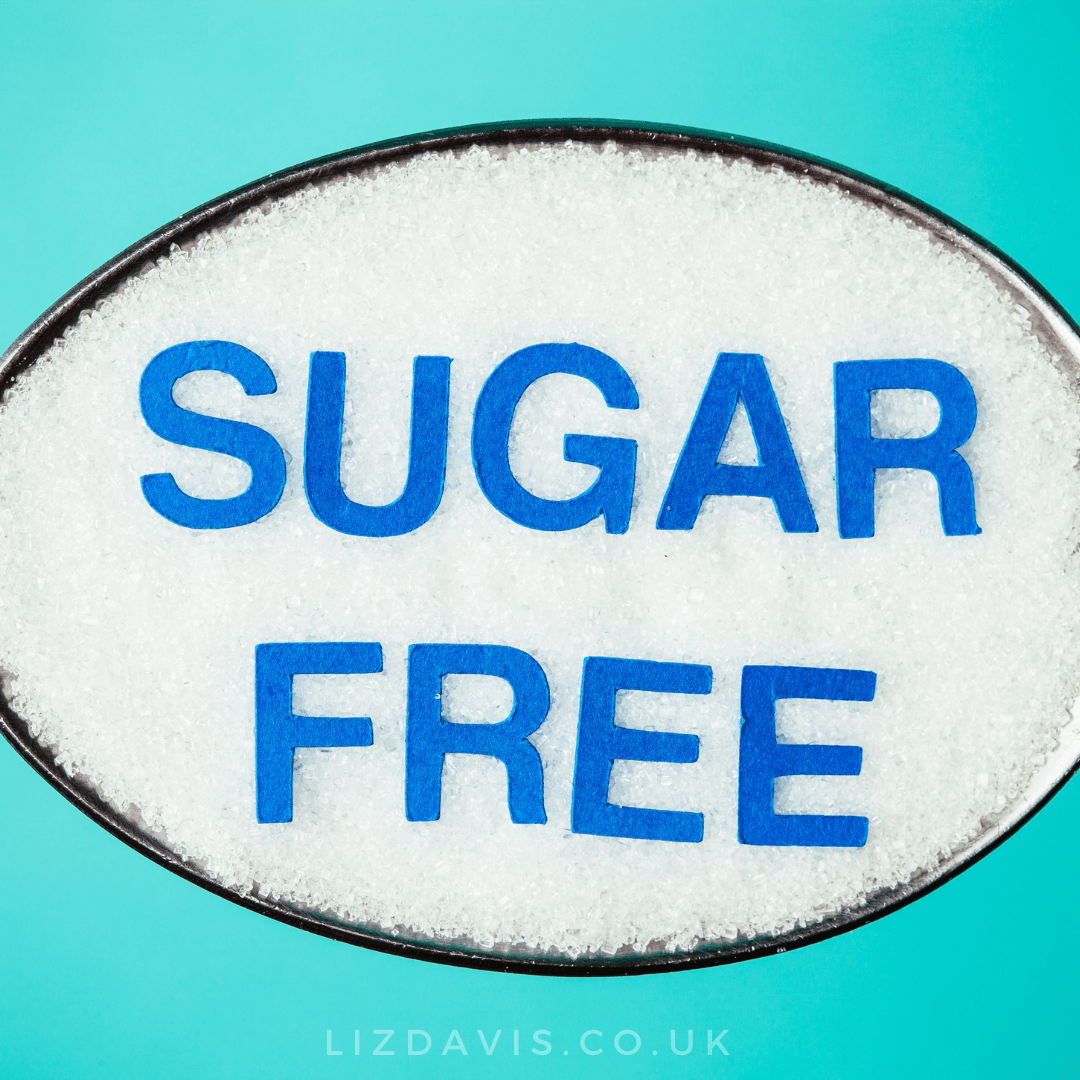
They often appear in:
-
“Low sugar” or “diet” yogurts
-
Sugar-free sweets
-
Zero-calorie waters and diet soft drinks
-
Some vitamins and medicines
Pro tip: Aspartame can also affect memory and mood, and should definitely be avoided during pregnancy or breastfeeding.
Healthier alternatives
Not all sugar substitutes are bad. Some tend to be better tolerated and even have health benefits:
-
Stevia – plant-based, generally well tolerated
-
Xylitol – may support dental health, but avoid if you have IBS or FODMAP sensitivity
Beyond substitutes, the healthiest approach is retraining your taste buds. Enjoy the natural sweetness of fruit, and occasionally treat yourself with:
-
Maple syrup
-
Raw honey
-
Coconut sugar
These options come with nutrients and don’t disrupt metabolism the way artificial sweeteners can.

Next steps for your gut health
Sugar substitutes aren’t inherently “evil,” but knowing which ones may cause problems — and how to enjoy sweetness naturally — can make a huge difference for your digestion, cravings, and overall health.
If you would like to speak to me about any aspect of your gut health, then please use this link to book into my diary for a FREE 30 minute chat so I can find out more about what is going on for you. Alternatively please use the ‘Learn More’ link below.
Free Mini Programme
Would You Like to Learn How to Fix Your Digestive Symptoms, Beat the Bloat and Feel Amazing?
1:1 Coaching Plans
Get Ready to Permanently Beat the Bloat, Soothe Your Digestion and Feel Amazing
Ultimate Gut Health Programme
Delicious, Filling & Inspiring ways to Become Symptom-Free, Soothe Your Gut and Enjoy Your Food Again!