(Hint: If you’ve got gut problems, you might be low in zinc.)
Zinc is one of those quiet powerhouse nutrients that doesn’t get much attention — until something starts going wrong. From immune defence to gut integrity, zinc plays a central role in keeping your body running smoothly.
In this post we’ll look at why zinc matters, who’s most at risk of deficiency, how zinc and gut health are closely linked, and the best ways to boost your intake.
Why zinc is so important
Your body only needs small amounts of zinc, but you must get it from food or supplements — it can’t make it on its own. Even a mild zinc deficiency can have wide-ranging effects.
Zinc is essential for:
-
Immune function, infection resistance and wound healing
-
DNA repair and cell regeneration
-
Vision, including protection against age-related macular degeneration
-
Taste and smell
-
Growth and development
-
Gut health and digestive integrity
-
Conception and fertility
-
Thyroid function
-
Stress resilience and mood regulation via cortisol balance
Who is most at risk of zinc deficiency?
While a zinc deficiency is less common in people with a robust, well-functioning digestive system, certain groups are more vulnerable.
The two main risk groups are:
-
People with digestive or gastrointestinal complaints
-
Those following strict vegetarian or vegan diets
Healthy digestion is crucial for zinc absorption. You need adequate stomach acid to break zinc down properly and absorb it through the small intestine. Interestingly, zinc itself is required to produce stomach acid — meaning deficiency can create a frustrating feedback loop.
If your digestion is compromised, your ability to absorb zinc may be reduced, increasing your risk of deficiency.
How zinc deficiency affects your gut
The relationship between zinc and gut health runs both ways.
Zinc helps maintain the tight junctions between cells in your digestive lining, supporting a strong intestinal barrier. When zinc levels drop, these junctions can weaken, contributing to increased intestinal permeability — often referred to as “leaky gut.”
There’s also a vicious cycle at play:
-
Chronic diarrhoea can lead to zinc loss
-
Zinc deficiency can in turn worsen diarrhoea
If you’re serious about supporting your gut health, my online course, The Ultimate Gut Health Programme, is the perfect next step. It’s designed to help you calm your digestive system, avoid common triggers, and still enjoy delicious, satisfying meals.
This blog is just the tip of the iceberg — the course goes much deeper, giving you everything you need to truly soothe your gut, feel lighter, and reclaim your digestive comfort.
👉 Click here to get instant access and start feeling the difference today!
Adequate zinc supports the gut’s mucosal lining, strengthens barrier function and helps maintain a healthy balance of gut microbes. Without enough zinc, the entire digestive environment can shift in an less favourable direction.
Signs you may be low in zinc
Symptoms of zinc deficiency can be subtle at first, but over time they may include:
-
Persistent diarrhoea
-
Vision changes or eye problems
-
Mouth ulcers, skin issues or acne
-
Reduced taste or smell
-
Poor appetite
-
Low mood
-
Frequent infections
-
Slow wound healing
-
Histamine intolerance

Best food sources of zinc
Zinc is widely available in food, but some sources are easier for the body to absorb than others.
Excellent zinc sources include:
-
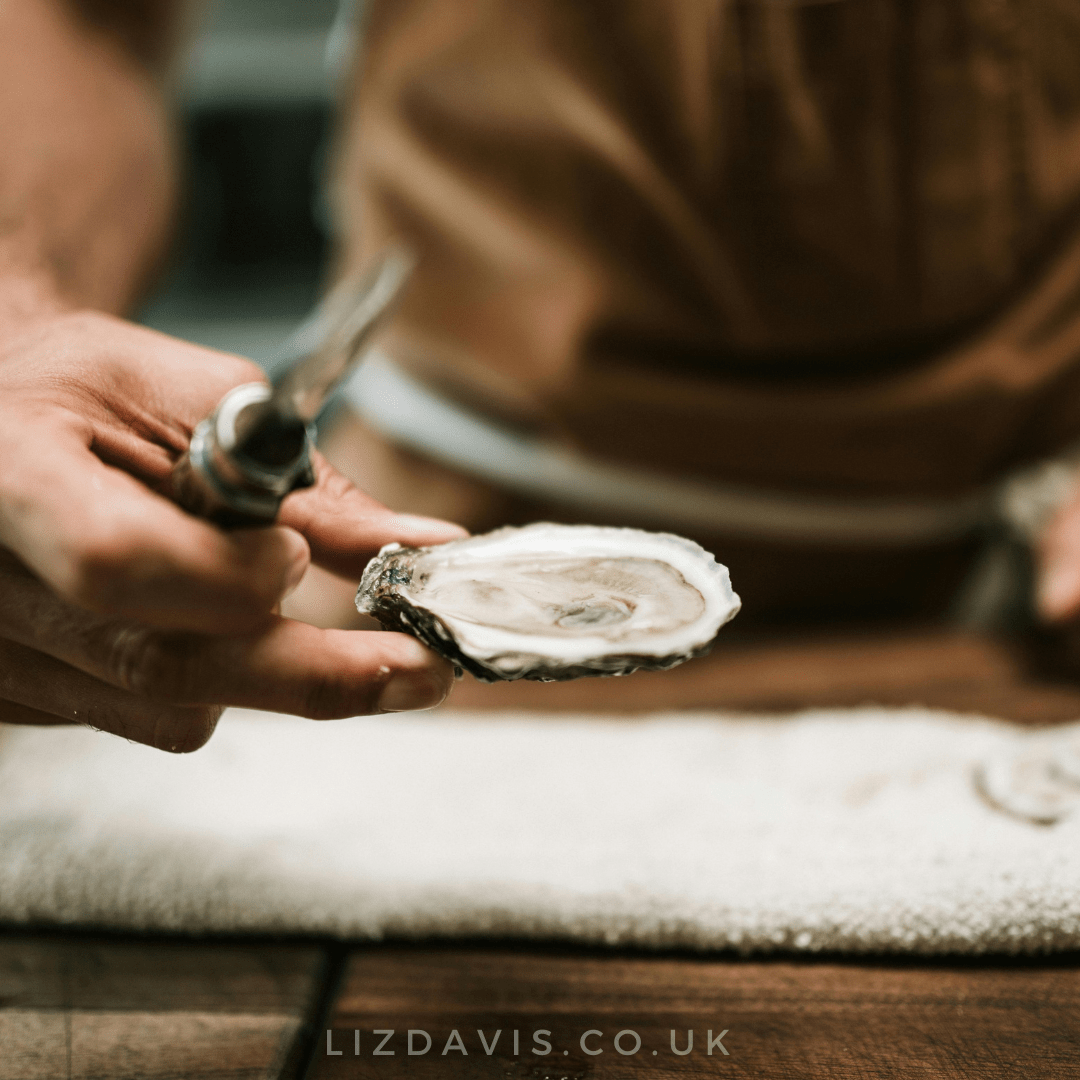
Seafood — especially oysters and crab
-
Red meat and poultry
-
Whole grains
-
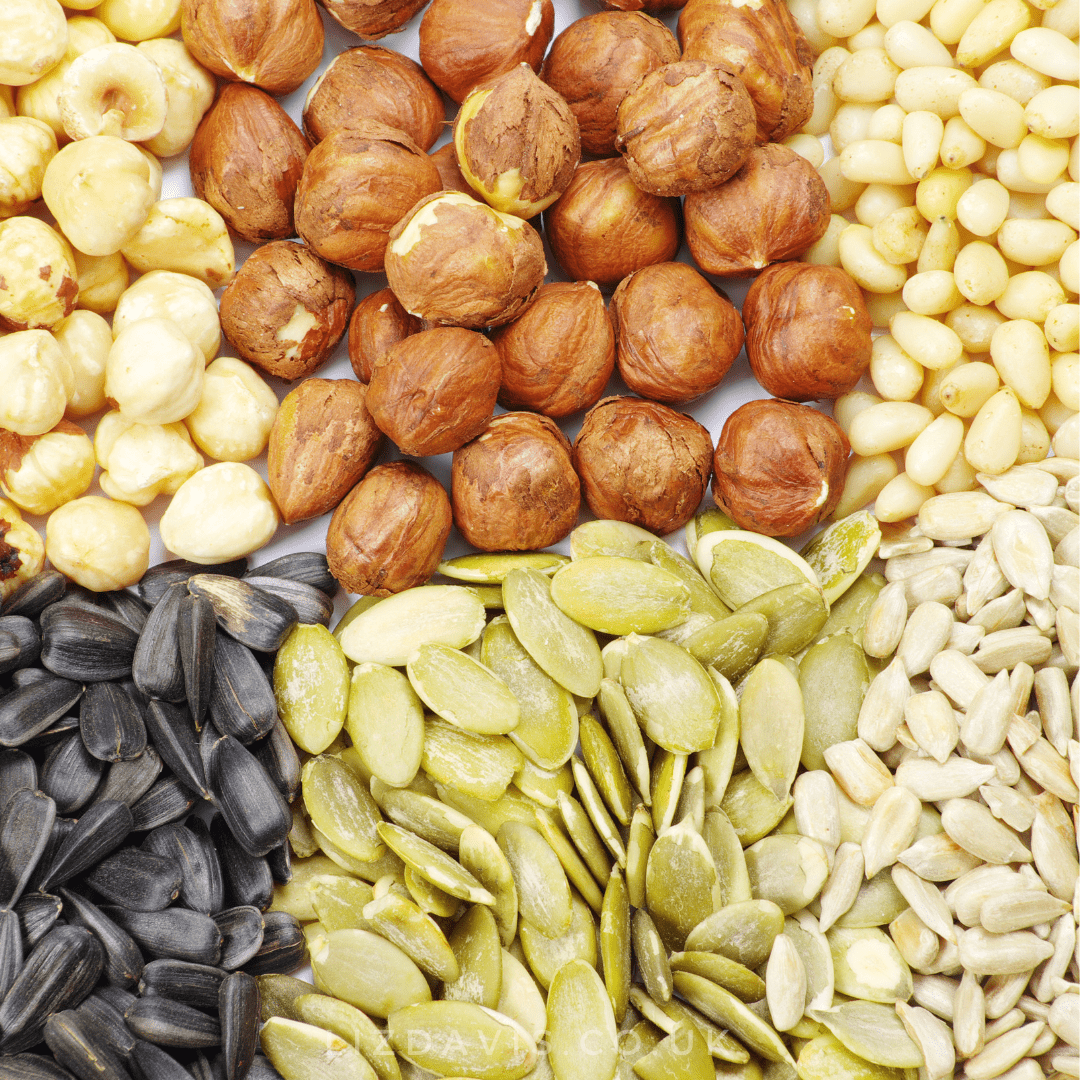
Pumpkin seeds
-
Beans, chickpeas and lentils
-
Nuts
-
Dairy products
Plant foods often contain zinc, but they also contain phytic acid — an anti-nutrient that binds to minerals and reduces absorption. This is one reason vegetarians and vegans may struggle to maintain optimal zinc status.
A good quality multivitamin and mineral supplement can help fill the gap. As a general guide, aim for around 10–15 mg of zinc per day, unless advised otherwise by a professional.
If you’re experiencing digestive symptoms or suspect a zinc deficiency could be part of the picture, it’s worth exploring further. You’re welcome to book a free 30-minute chat with me using the link below — we can discuss what’s going on and how I might be able to support you.
If you would like to speak to me about any aspect of your gut health, then please use this link to book into my diary for a FREE 30 minute chat so I can find out more about what is going on for you. Alternatively please use the ‘Learn More’ link below.
Free Mini Programme
Would You Like to Learn How to Fix Your Digestive Symptoms, Beat the Bloat and Feel Amazing?
1:1 Coaching Plans
Get Ready to Permanently Beat the Bloat, Soothe Your Digestion and Feel Amazing
Ultimate Gut Health Programme
Delicious, Filling & Inspiring ways to Become Symptom-Free, Soothe Your Gut and Enjoy Your Food Again!