
We hear a lot about organic foods, but what does it really mean to eat organic? Simply put, organic eating means choosing foods grown without synthetic pesticides, fertilizers, antibiotics, hormones, or genetically modified organisms (GMOs). Packaged foods must also be free from artificial additives, and all ingredients need to be organic. But is it truly better for your health? Let’s explore the benefits of organic eating.
Health and Environmental Advantages
Organic farming isn’t just good for your body—it’s good for the planet. Organic crops rely on natural fertilizers, like composted manure, which improves soil quality instead of depleting it.
Nutritionally, research suggests that organic produce often contains higher levels of antioxidants and important micronutrients such as vitamin C, zinc, and iron. In some cases, antioxidant levels in organic foods can be up to 69% higher. One study even found that organic berries and corn had 58% more antioxidants and as much as 52% more vitamin C than conventionally grown varieties.
Choosing organic could be like getting an extra 1–2 portions of fruits and vegetables in your daily diet, just by selecting organic options.
How Organic Plants Boost Nutrition
Because organic plants aren’t protected by chemical pesticides, they naturally produce more protective compounds—antioxidants—which we then absorb when we eat them.
Some studies suggest organic foods aren’t always significantly healthier than non-organic, but these often test individual chemicals in isolation. The combined effect of multiple pesticides and additives in a typical meal isn’t fully understood, so choosing organic produce where possible may offer extra protection over time.
Organic Dairy and Meat
If you consume dairy or meat, organic options provide real benefits. Organic dairy and meats typically contain higher levels of omega-3 fatty acids and more micronutrients like vitamin E and iron. Omega-3s are linked to improved heart health and reduced inflammation, making organic dairy and meat a smart choice if your budget allows.
That said, fresh, varied produce—organic or not—remains the most important factor for overall health. Organic eating is a bonus, not a strict requirement.
If you’re serious about supporting your gut health, my online course, The Ultimate Gut Health Programme, is the perfect next step. It’s designed to help you calm your digestive system, avoid common triggers, and still enjoy delicious, satisfying meals.
This blog is just the tip of the iceberg — the course goes much deeper, giving you everything you need to truly soothe your gut, feel lighter, and reclaim your digestive comfort.
👉 Click here to get instant access and start feeling the difference today!
Watch Out for ‘Organic’ Processed Foods
Just because a product is labeled organic doesn’t automatically make it healthy. Organic snacks, fizzy drinks, and processed foods may still contain high sugar, trans fats, and salt. The advantage is that they are free from synthetic additives, but moderation is key.
The ‘Dirty Dozen’ and ‘Clean Fifteen’
Some fruits and vegetables are more prone to pesticide contamination. The Dirty Dozen are the produce items to buy organic whenever possible:
-
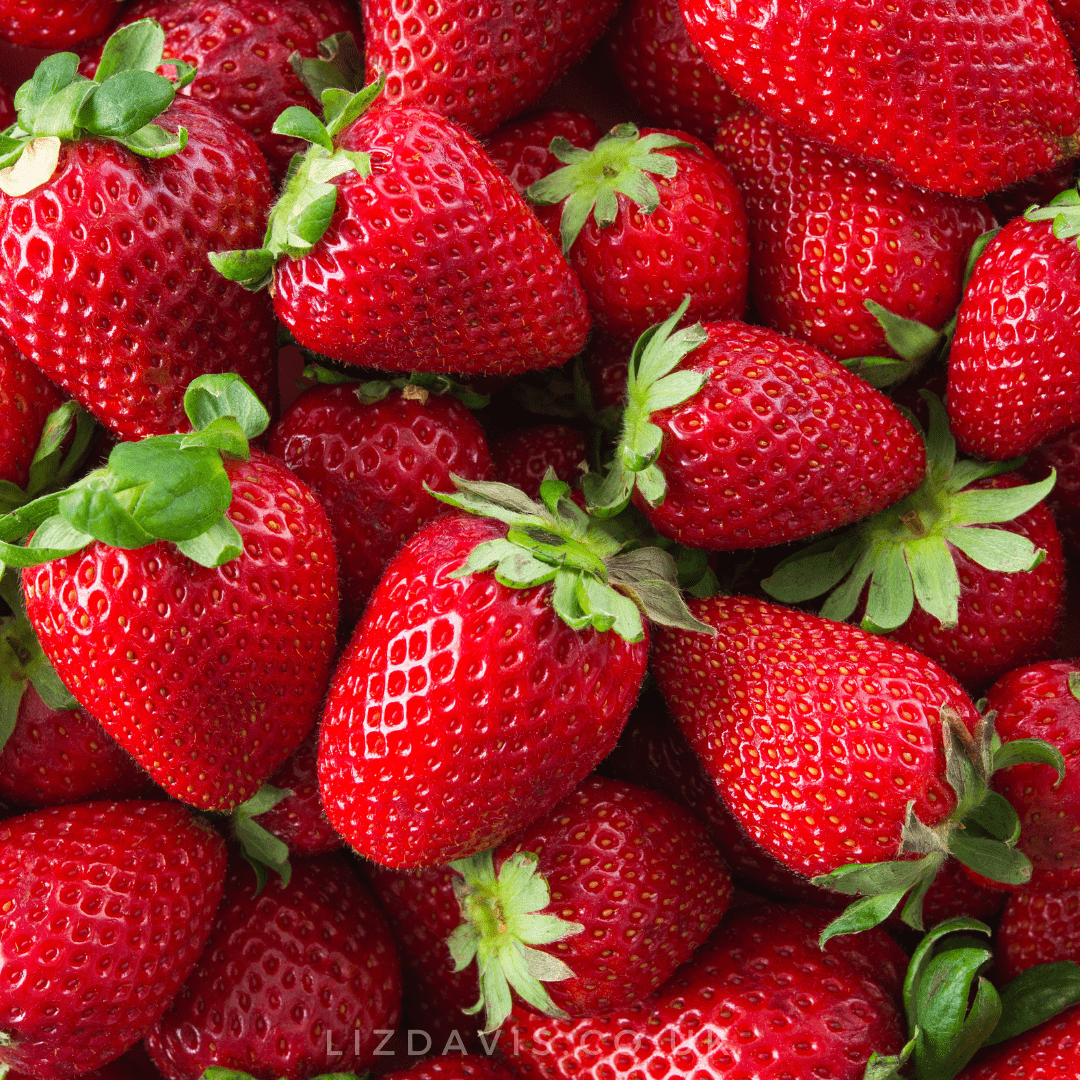
Strawberries
-
Spinach
-
Kale
-
Nectarines
-
Apples
-
Grapes
-
Peaches
-
Cherries
-
Pears
-
Tomatoes
-
Celery
-
Potatoes
Soft-skinned or pest-prone produce tends to absorb more chemicals, so these are top priorities for organic eating.
The Clean Fifteen are the safest conventional choices, with minimal pesticide residue:
-
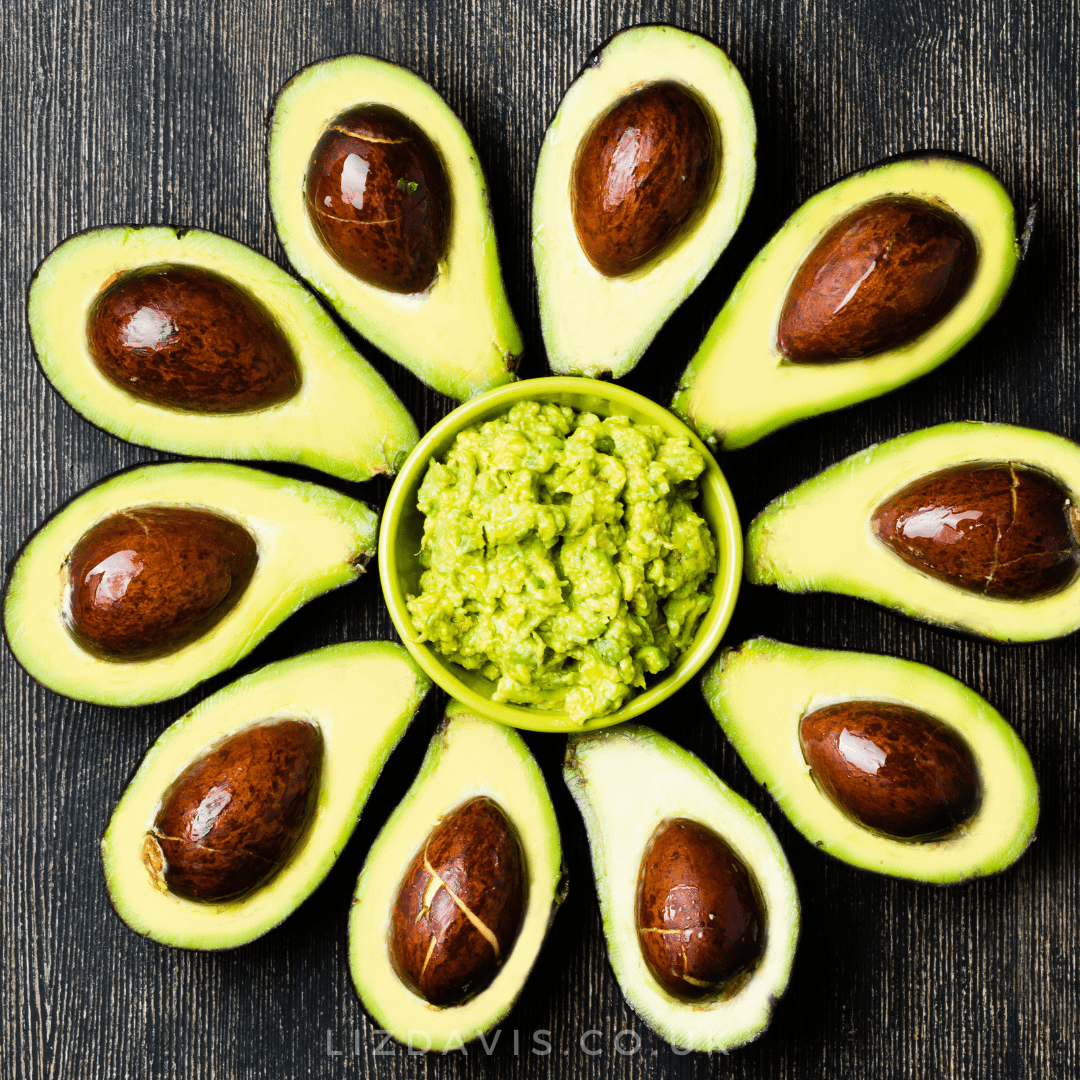
Avocados
-
Sweet corn
-
Pineapple
-
Onions
-
Papaya
-
Sweet peas (frozen)
-
Eggplant
-
Asparagus
-
Cauliflower
-
Cantaloupe
-
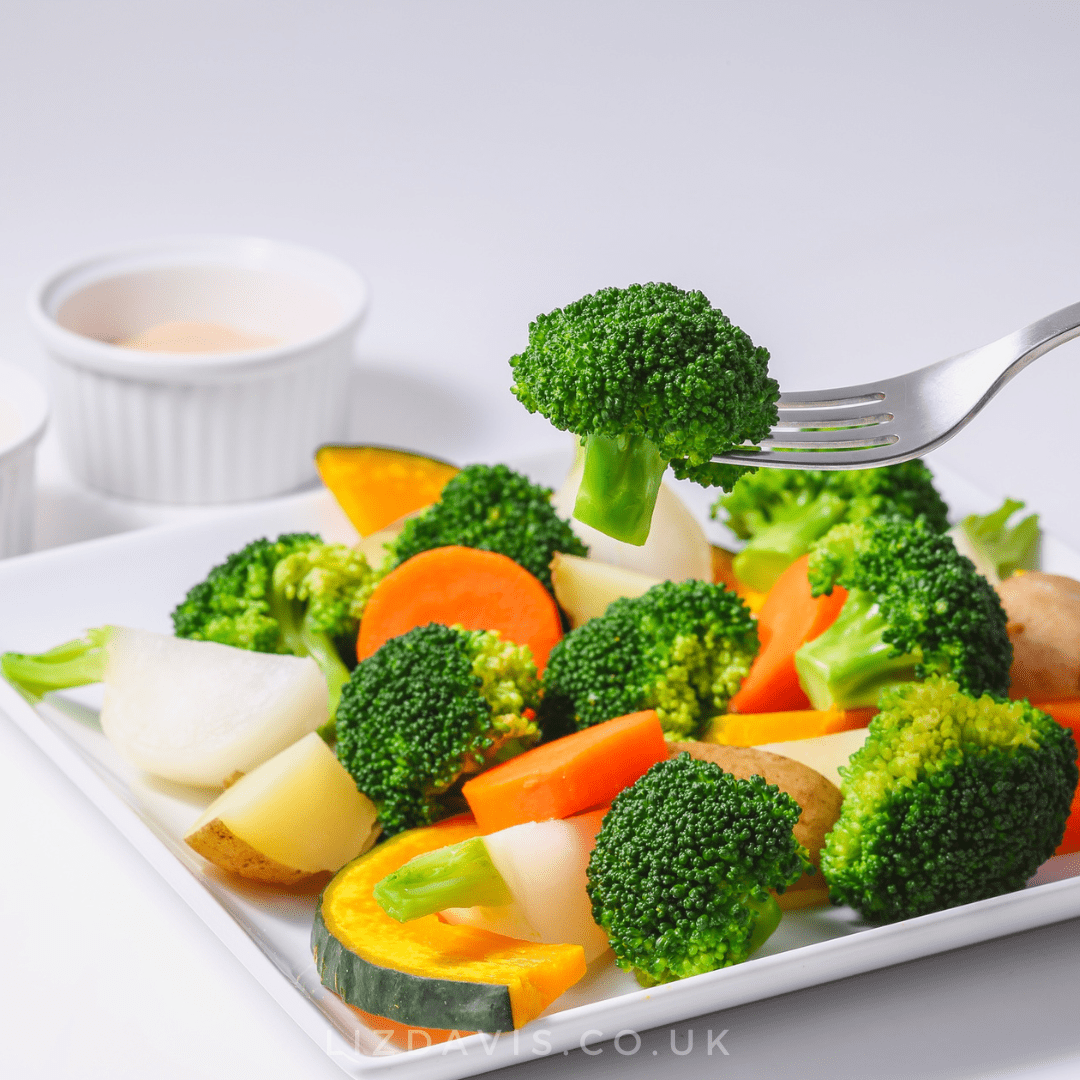
Broccoli
-
Mushrooms
-
Cabbage
-
Honeydew melon
-
Kiwi
These foods generally have tough skins or natural protective layers, reducing pesticide absorption.
Bottom Line
The benefits of organic eating include higher nutrient intake, fewer chemicals, and environmental gains. Organic dairy, meat, and certain fruits and vegetables are especially worthwhile. But the biggest factor for health is eating a wide variety of fresh produce, whether it’s organic or conventional. Think of organic as a bonus—a way to maximize nutrition and minimize chemical exposure whenever possible.
If you would like to speak to me about any aspect of your gut health, then please use this link to book into my diary for a FREE 30 minute chat so I can find out more about what is going on for you. Alternatively please use the ‘Learn More’ link below.
Free Mini Programme
Would You Like to Learn How to Fix Your Digestive Symptoms, Beat the Bloat and Feel Amazing?
1:1 Coaching Plans
Get Ready to Permanently Beat the Bloat, Soothe Your Digestion and Feel Amazing
Ultimate Gut Health Programme
Delicious, Filling & Inspiring ways to Become Symptom-Free, Soothe Your Gut and Enjoy Your Food Again!